Beyond the Tourist Trail: Crafting Meaningful Journeys with Experiential Travel
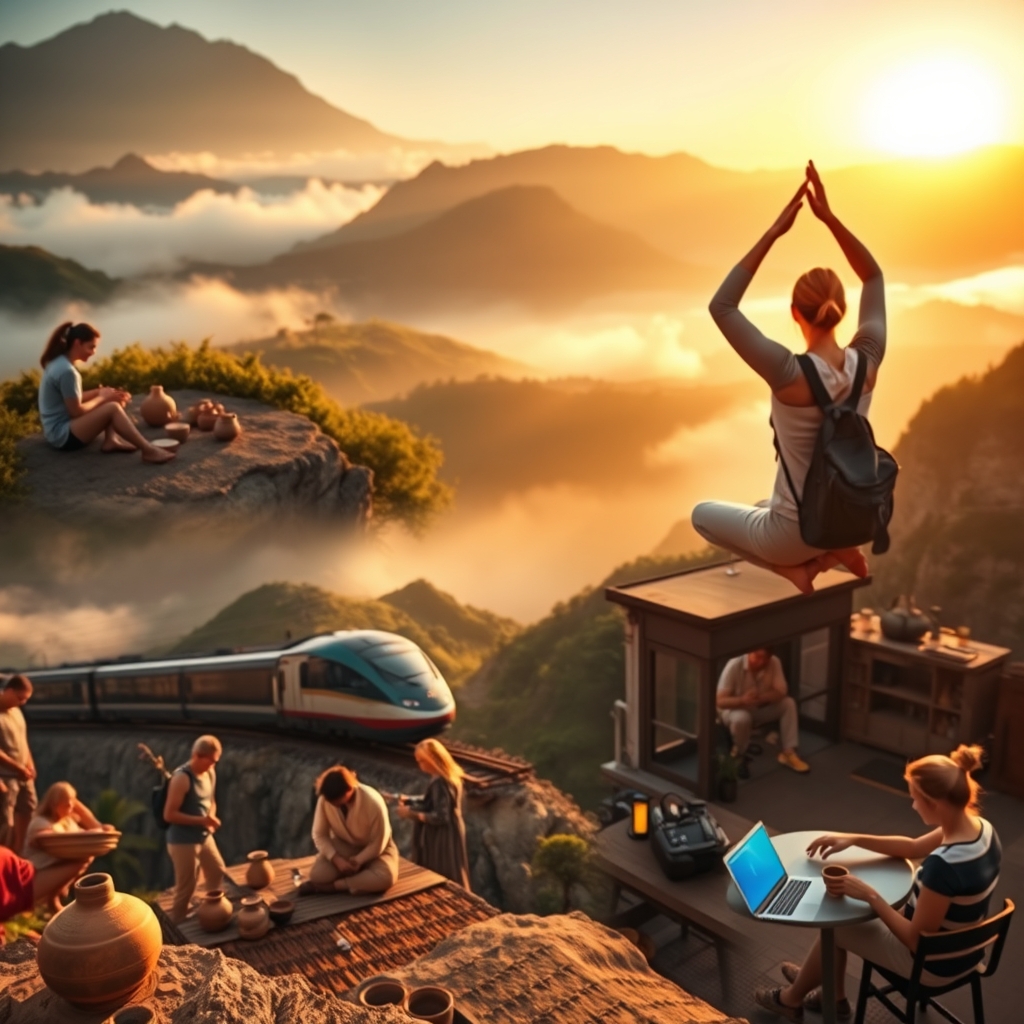
The modern traveler is no longer satisfied with mere sightseeing. The rise of experiential travel reflects a deeper desire to connect with destinations on a personal, cultural, and even spiritual level. This shift has given birth to a new era of exploration—one that prioritizes immersion, authenticity, and mindful discovery over crowded landmarks and generic itineraries. Whether you’re a solo adventurer, a wellness seeker, or a digital nomad, the world is brimming with opportunities to step off the beaten path and create memories that resonate long after the journey ends.
The Allure of Anti-Tourism Escapes
Anti-tourism isn’t about avoiding travel altogether; it’s about redefining it. Instead of flocking to overrun hotspots, savvy explorers are seeking out destinations that offer tranquility, cultural richness, and a slower pace. Think of the quiet villages of Slovenia’s Julian Alps, where alpine meadows replace bustling city squares, or the remote coastal islands of Indonesia, where pristine beaches are shared only with local fishermen. These escapes provide a rare chance to experience a place without the filter of mass tourism, fostering genuine interactions with communities and landscapes.
One of the most compelling aspects of anti-tourism is its emphasis on sustainability. By diverting foot traffic away from fragile ecosystems and overburdened cities, travelers can help preserve the very beauty they seek. Eco luxury lodges, for instance, blend opulence with environmental stewardship, offering stays in solar-powered treehouses or carbon-neutral villas nestled in untouched wilderness. These retreats prove that luxury and sustainability aren’t mutually exclusive—they’re the future of mindful travel.
Wellness Retreats: A Holistic Approach to Travel
Wellness travel has evolved far beyond spa getaways and yoga retreats. Today, it encompasses a holistic approach to rejuvenation, combining physical, mental, and emotional well-being with the joy of exploration. Silent travel sanctuaries, for example, offer a refuge from the noise of modern life, where guests can disconnect from technology and reconnect with themselves through meditation, sound healing, or forest bathing. These retreats are often located in serene settings—think misty mountains, secluded deserts, or tranquil lakesides—where the natural environment becomes a catalyst for inner peace.
For those who prefer a more active approach to wellness, experiential local workshops provide a hands-on way to engage with a destination’s culture. Imagine learning traditional Thai massage in Chiang Mai, mastering the art of sourdough baking in a Tuscan farmhouse, or crafting pottery in a Japanese village. These experiences not only deepen your understanding of a place but also leave you with new skills and a sense of accomplishment. The key is to seek out workshops led by locals, ensuring an authentic and respectful exchange.
Solo Traveler Tours: Empowerment Through Exploration
Solo travel is no longer a niche pursuit—it’s a movement. More people than ever are embracing the freedom and self-discovery that come with exploring the world alone. However, for those who crave companionship without sacrificing independence, solo traveler tours offer the perfect balance. These curated experiences bring together like-minded adventurers for group activities, cultural excursions, and shared meals, all while allowing plenty of time for personal exploration. Whether it’s a multi-country rail journey through Europe or an adventure safari in Botswana, these tours provide a sense of community without the constraints of traditional group travel.
One of the greatest benefits of solo traveler tours is the opportunity to step outside your comfort zone in a supportive environment. Guides and fellow travelers often become a temporary family, offering encouragement as you navigate unfamiliar territories. For women, in particular, these tours can provide an added layer of safety and camaraderie, making it easier to explore destinations that might feel intimidating alone. From heritage lineage journeys in Ireland to digital nomad hubs in Bali, the options are as diverse as the travelers themselves.
International Rail Journeys: The Romance of Slow Travel
In an age of budget airlines and overnight flights, international rail journeys offer a refreshing alternative. There’s something inherently magical about watching the world unfold from a train window—rolling hills, bustling cities, and remote villages all passing by at a leisurely pace. Rail travel encourages a slower, more mindful approach to exploration, allowing you to savor each moment rather than rushing from one destination to the next. Multi-country passes, like the Eurail Global Pass or the Japan Rail Pass, make it easy to hop on and off trains, creating a flexible itinerary that can be tailored to your interests.
Beyond the practical benefits, train travel fosters a sense of connection—both with the landscapes you traverse and the people you meet along the way. Dining cars become impromptu social hubs, where strangers swap stories over local cuisine. Overnight sleeper trains add an element of adventure, turning the journey itself into a highlight of the trip. For those seeking a deeper cultural experience, heritage rail lines, such as India’s Palace on Wheels or Peru’s Belmond Andean Explorer, offer a glimpse into the past, blending luxury with history.
Digital Nomad Visas: The Future of Work and Wanderlust
The rise of remote work has given birth to a new breed of traveler: the digital nomad. No longer tied to a physical office, these modern explorers are redefining the concept of work-life balance by combining productivity with adventure. Countries around the world have taken notice, introducing digital nomad visas that allow remote workers to live and work abroad for extended periods. From Portugal’s sunny coastlines to Thailand’s vibrant cities, these visas offer a legal pathway to long-term travel, complete with access to local amenities and communities.
For digital nomads, the appeal goes beyond the practicalities of visas and Wi-Fi speeds. It’s about immersing yourself in a new culture, building a global network, and gaining fresh perspectives that inspire creativity. Co-working spaces in global nomad hubs, like Lisbon, Medellín, or Chiang Mai, provide a sense of structure and community, while local cafes and beachside hammocks offer more unconventional workspaces. The key to success as a digital nomad lies in balancing productivity with exploration—setting aside time to hike, surf, or simply wander without a plan.
Travel is no longer just about ticking off bucket-list destinations; it’s about crafting experiences that enrich the soul. Whether you’re drawn to the quiet introspection of a silent retreat, the camaraderie of a solo traveler tour, or the freedom of a digital nomad lifestyle, the world is yours to explore in a way that feels meaningful. The most unforgettable journeys are those that challenge you, inspire you, and leave you with stories to tell for years to come. Every trip is an opportunity to step beyond the familiar and discover not just new places, but new facets of yourself.