
Beyond the Guidebooks: Discovering Hidden Gems Through Regional Travel Corridors
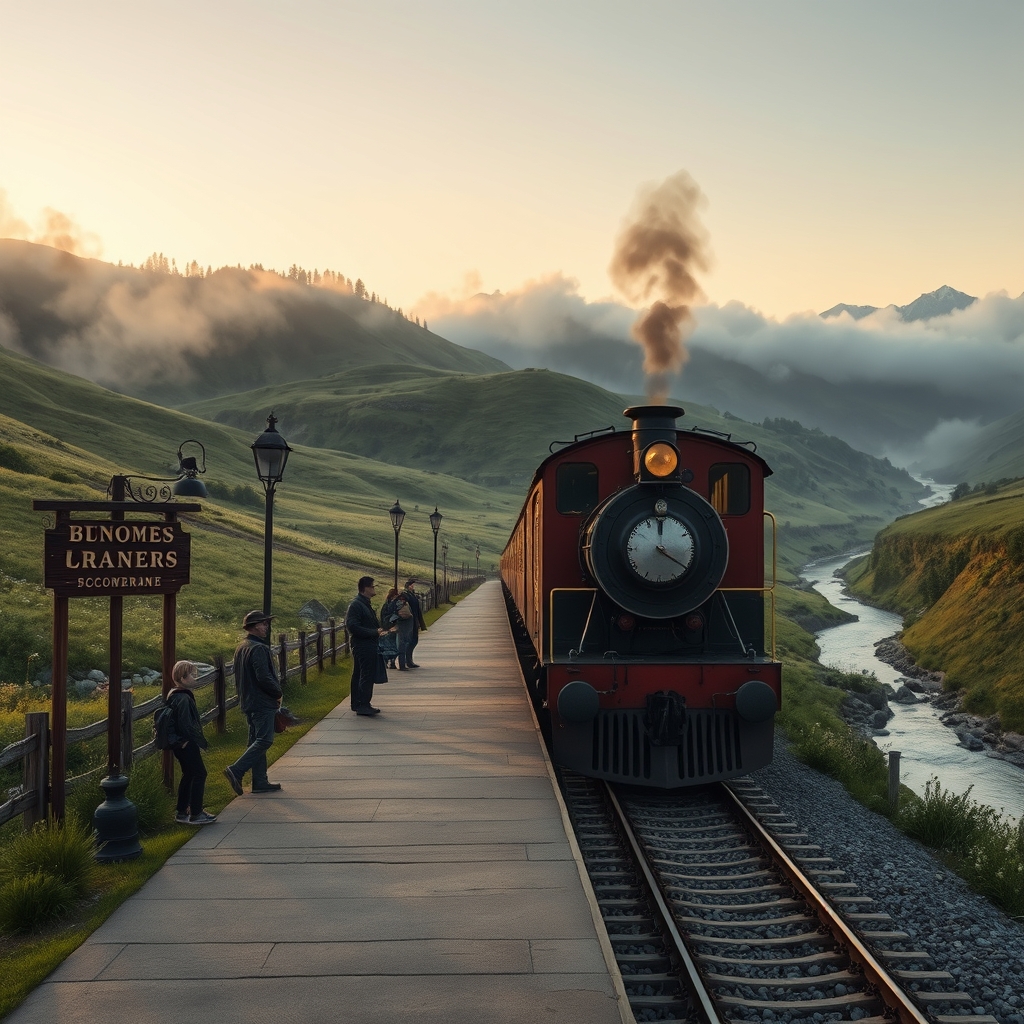
There’s a quiet revolution happening in the way we travel. While bucket-list destinations and viral hotspots continue to draw crowds, a growing number of explorers are turning their attention to the spaces in between—those overlooked regions where culture, cuisine, and landscapes unfold in unexpected ways. These are the places accessed not by crowded airports or congested highways, but through regional travel corridors: cross-border rail lines, scenic bus routes, overnight trains, and coastal drives that stitch together secondary destinations into rich, immersive journeys. They offer something rare in today’s fast-paced world: the chance to slow down, connect, and discover stories that aren’t trending online.
The Rise of the Secondary Destination
Secondary destinations—those towns, villages, and regions just off the main tourist trail—are experiencing a renaissance. Unlike their more famous counterparts, they haven’t been shaped by mass tourism. Instead, they retain an authenticity that feels increasingly precious. Think of the vineyard-dotted valleys of Alsace, accessible via France’s TER trains; the misty tea plantations of Darjeeling, reached by the historic Himalayan Railway; or the rugged coastal villages of Portugal’s Alentejo, connected by a network of regional buses. These places don’t just offer beauty—they offer a sense of place, a feeling of being somewhere real.
What makes these destinations especially compelling is how they’re linked. Multi-destination passes, such as Europe’s Interrail or Japan’s JR Pass, have long been popular with backpackers, but their potential for deeper exploration is only now being fully realized. A single pass can unlock a journey from the alpine meadows of Austria’s Tyrol to the lakeside towns of northern Italy, or from the rice terraces of Bali to the cultural heart of Yogyakarta in Java. The key is not just the pass itself, but the mindset it enables: one of curiosity, flexibility, and openness to the unplanned.
Cross-Border Rail and the Freedom of Movement
Few experiences capture the romance of travel like crossing a border by train. There’s something inherently poetic about watching landscapes shift through a window—from the rolling hills of southern Germany to the vineyards of northern Switzerland, or from the arid plains of northern Mexico into the pine forests of the U.S. Southwest. Cross-border rail corridors, such as the EuroCity network in Europe or the Trans-Asian Railway, are more than just modes of transport; they’re conduits for cultural exchange, economic connection, and personal transformation.
Take the overnight train from Hanoi to Lao Cai, Vietnam, which carries travelers to the misty highlands of Sapa. Along the way, the rhythm of the rails becomes a soundtrack to the changing scenery: rice paddies give way to terraced hills, and the air grows cooler as the train climbs into the mountains. By morning, passengers disembark in a world where Hmong and Dao communities have lived for generations, offering homestays, guided treks, and markets brimming with handwoven textiles. It’s a journey that transcends mere transit—it’s an immersion.
The Allure of Scenic Bus Routes
While trains often steal the spotlight, scenic bus routes offer their own unique advantages: affordability, frequency, and access to places trains can’t reach. In South America, the Andean Explorer bus route winds through Peru’s Sacred Valley, connecting Cusco to Puno on the shores of Lake Titicaca. In New Zealand, the InterCity network traverses the dramatic landscapes of the South Island, from the glaciers of Franz Josef to the turquoise waters of Milford Sound. These routes are lifelines for remote communities, but they’re also gateways for travelers seeking adventure without the crowds.
One of the most underrated aspects of scenic bus travel is the opportunity for spontaneous detours. Unlike flights or even trains, buses often make unscheduled stops—at roadside fruit stands, viewpoints, or small-town plazas. These moments of serendipity can lead to some of the most memorable experiences of a trip: sharing a meal with a local family, stumbling upon a village festival, or simply watching the sunset from a quiet hillside.
Seasonal Festivals and the Rhythm of Regional Life
Traveling through regional corridors isn’t just about the places you visit—it’s about the time you visit them. Seasonal festivals offer a window into the soul of a region, revealing traditions, flavors, and stories that might otherwise go unnoticed. In Japan, the cherry blossom season transforms entire rail lines into corridors of pink, with locals and visitors alike flocking to lesser-known parks and temples. In India, the monsoon season brings a different kind of magic, as trains and buses carry travelers to the lush tea gardens of Munnar or the misty valleys of Coorg, where the air is thick with the scent of spices.
These festivals aren’t just for show—they’re deeply tied to the land and its people. The Fête des Lumières in Lyon, France, began as a religious celebration but has evolved into a dazzling display of light art, drawing visitors to the city’s historic streets. Similarly, the Day of the Dead in Mexico’s Oaxaca region is a vibrant, deeply personal tribute to ancestors, with processions, altars, and feasts that reflect the unique cultural blend of indigenous and Spanish traditions. By aligning your travels with these events, you’re not just observing a destination—you’re participating in its living history.
Off-Peak Road Trips and the Joy of Empty Roads
There’s a certain magic to hitting the road when everyone else is staying home. Off-peak road trips offer a rare sense of freedom: the ability to explore at your own pace, without the pressure of crowds or the hassle of reservations. Coastal drives, in particular, come alive in the quieter months. The Pacific Coast Highway in California, for example, is breathtaking year-round, but in the winter and early spring, the absence of summer traffic allows for a deeper connection to the landscape. You can pull over at a secluded beach, hike a quiet trail, or linger in a small-town diner without feeling rushed.
Mountain corridors, too, reveal their secrets in the off-season. The Going-to-the-Sun Road in Montana’s Glacier National Park is a marvel of engineering, but it’s also a testament to the power of nature. In the spring, as the snow melts, the road reopens to reveal waterfalls cascading down cliffs and wildflowers carpeting the meadows. Similarly, the Grossglockner High Alpine Road in Austria offers a different kind of beauty in the autumn, when the larch trees turn golden and the air is crisp with the promise of winter. These are the moments that remind us why we travel: not to check off a list, but to feel alive.
Mapping Heritage Trails and Cultural Immersions
Heritage trails are more than just routes—they’re narratives, weaving together history, culture, and landscape into a cohesive story. The Silk Road, for example, is no longer a single path but a network of trails that trace the ancient trade routes connecting China to the Mediterranean. Today, travelers can follow segments of this route by train, bus, or even bicycle, stopping in cities like Samarkand, Bukhara, and Kashgar to explore their rich architectural and cultural legacies. These trails offer a way to travel that is both physical and intellectual, inviting reflection on the connections that have shaped our world.
Closer to home, regional heritage trails offer equally compelling experiences. The Freedom Trail in Boston, Massachusetts, is a 2.5-mile walk through the city’s revolutionary history, but it’s also a journey through the neighborhoods that have shaped its identity. In South Africa, the Route 62 wine and cultural trail winds through the Klein Karoo, connecting small towns like Oudtshoorn and Montagu, where the legacy of the Afrikaans and Khoisan people is still alive in the language, food, and music. These trails are a reminder that travel isn’t just about seeing new places—it’s about understanding them.
As the world grows smaller and more connected, the allure of regional travel corridors lies in their ability to make it feel larger again. They remind us that the most meaningful journeys aren’t always the ones we plan, but the ones that unfold naturally, one stop at a time. Whether it’s the clatter of a train crossing a border, the hum of a bus engine on a winding mountain road, or the quiet rhythm of a coastal drive, these corridors invite us to step off the beaten path and into the heart of a place. And in doing so, they offer something far more valuable than a destination: a sense of belonging to the world, one mile at a time.