
The Solo Traveler’s Odyssey: Uncharted Tours, Remote Escapes, and the Freedom of Self-Discovery
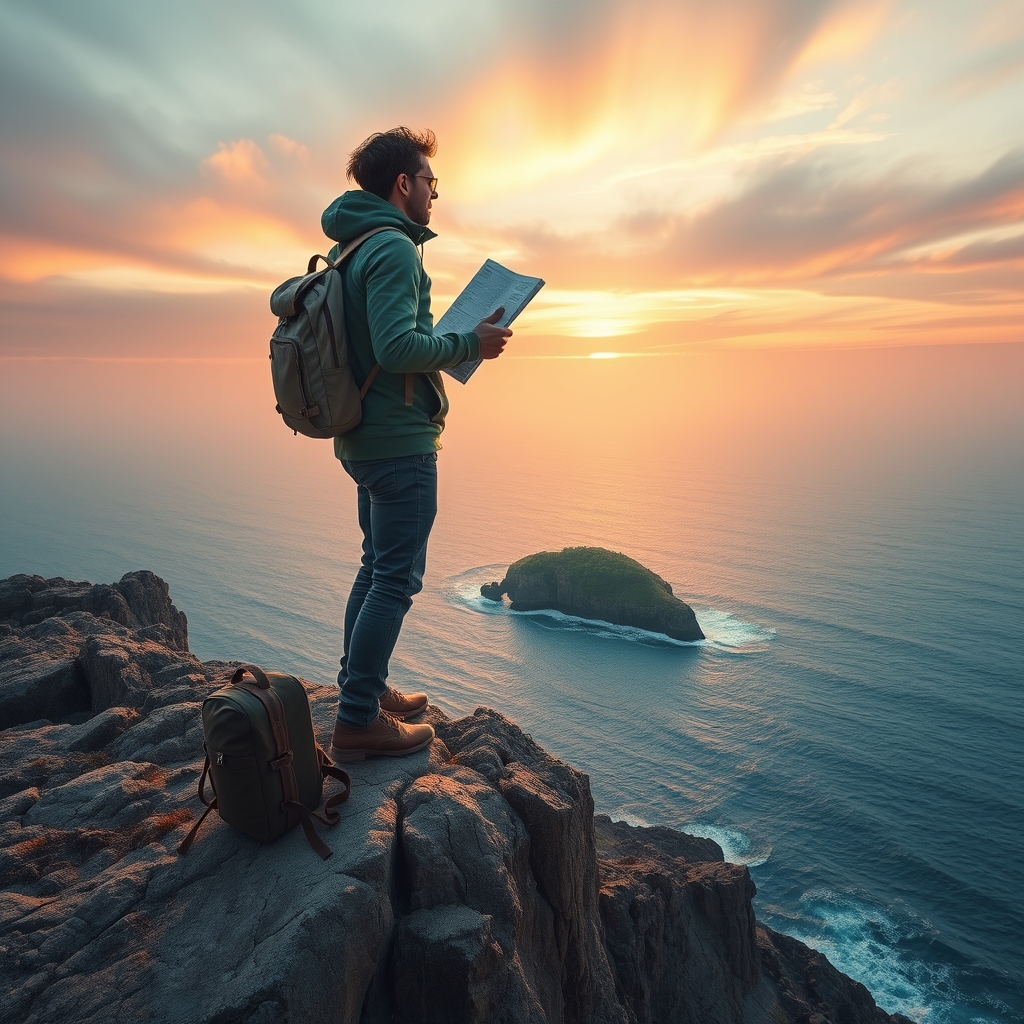
There’s a quiet revolution unfolding in the world of travel—one where the journey is as much about inner exploration as it is about crossing borders. Solo travel, once considered a niche pursuit, has evolved into a transformative experience that redefines freedom, self-reliance, and connection. For those who dare to venture alone, the world becomes a classroom without walls, offering lessons in resilience, adaptability, and the sheer joy of unscripted moments. But how do you navigate this path with confidence, especially when the road less traveled beckons?
The Rise of Solo Traveler Tours: Curated for Independence
Gone are the days when solo travel meant wandering aimlessly with a guidebook in hand. Today, a new wave of solo traveler tours has emerged, designed to balance structure with spontaneity. These tours cater to those who crave companionship without sacrificing autonomy, offering small-group itineraries that foster connection while allowing space for personal exploration. Whether it’s a heritage lineage journey through the cobbled streets of Lisbon or an adventure safari package in the wilds of Namibia, these experiences are tailored to solo adventurers who want to dive deep without the pressure of a rigid schedule.
Companies like Intrepid Travel and G Adventures have pioneered this model, curating trips that pair solo travelers with like-minded explorers. The result? A sense of community that feels organic rather than forced. Imagine hiking the Inca Trail with a group of strangers who become friends by the time you reach Machu Picchu, or sharing stories over a campfire in the Serengeti with fellow wanderers who understand the thrill of the unknown. These tours prove that solo travel doesn’t have to mean traveling alone—it means traveling on your own terms.
Anti-Tourism Escapes: Where the Crowds Aren’t
For those who seek solitude beyond the well-trodden path, anti-tourism escapes offer a sanctuary from the noise. These hidden corners of the world are where authenticity thrives, untouched by the homogenizing effects of mass tourism. Think of the remote villages of Georgia’s Caucasus Mountains, where time moves at the pace of a shepherd’s flock, or the pristine beaches of Mozambique’s Quirimbas Archipelago, where the only footprints in the sand are your own. These destinations are not just places to visit; they’re invitations to disconnect and rediscover the art of being present.
One of the most compelling aspects of anti-tourism is its ability to foster genuine connections with locals. Without the barrier of tourist crowds, travelers can engage in experiential local workshops, from learning traditional pottery in a Moroccan medina to mastering the art of sushi-making in a family-run ryokan in Kyoto. These experiences are not performative—they’re immersive, offering a glimpse into the rhythms of daily life that most tourists never see. The key is to seek out destinations where tourism is a byproduct, not the main attraction, and where the act of traveling becomes a dialogue rather than a transaction.
Remote Coastal Islands: The Ultimate Digital Detox
In an era where Wi-Fi is as essential as oxygen, remote coastal islands offer a rare opportunity to unplug and recalibrate. These secluded paradises—from the Azores to the Andaman Islands—are where the ocean’s rhythm dictates the pace of life. Here, the days unfold without the tyranny of notifications, and the only agenda is the one you create. Whether it’s kayaking through bioluminescent waters in Puerto Rico’s Vieques Island or hiking the dramatic cliffs of the Faroe Islands, these destinations are a balm for the overstimulated soul.
For those who can’t completely disconnect, many of these islands are becoming global nomad hubs, offering digital nomad visas that allow remote workers to blend productivity with paradise. Imagine typing away on a laptop with the sound of waves crashing in the background, or taking a midday break to snorkel in crystal-clear waters. The rise of these hubs has made it easier than ever to combine work and wanderlust, proving that the remote life doesn’t have to mean sacrificing career ambitions for adventure.
Wellness Retreats for the Solo Soul
Traveling alone can be exhilarating, but it can also be exhausting. That’s where wellness retreat travel comes in—a chance to recharge both body and mind while exploring the world. These retreats are not just about yoga and green juice; they’re about holistic rejuvenation, offering everything from silent meditation sessions in the Himalayas to sound healing workshops in Bali. For solo travelers, these experiences provide a safe space to reflect, reset, and reconnect with oneself.
One of the most transformative aspects of wellness retreats is their ability to strip away the distractions of daily life. In a world where we’re constantly bombarded with stimuli, these sanctuaries offer a rare opportunity to slow down and listen—to our bodies, our thoughts, and the world around us. Whether it’s a silent travel sanctuary in the mountains of Peru or a thermal spa retreat in Iceland, these experiences remind us that travel is not just about seeing new places, but about deepening our understanding of ourselves.
International Rail Journeys: The Art of Slow Travel
There’s something inherently romantic about international rail journeys—the rhythmic clatter of wheels on tracks, the ever-changing landscapes outside your window, the sense of time stretching out before you. For solo travelers, trains offer a unique blend of comfort and adventure, allowing you to cover vast distances without the hassle of airports or the isolation of a rental car. From the Trans-Siberian Railway to the scenic routes of Switzerland’s Glacier Express, these journeys are a testament to the joy of slow travel.
One of the greatest advantages of rail travel is the opportunity to meet fellow passengers. Unlike the fleeting interactions of air travel, train journeys foster a sense of camaraderie, whether it’s sharing a meal in the dining car or swapping stories in the sleeper compartment. For solo travelers, this can be a game-changer, turning what might feel like a solitary experience into one filled with connection and serendipity. Plus, with multi-country passes like Eurail or Interrail, the world becomes your oyster, offering the freedom to hop on and off trains at your leisure.
The beauty of solo travel lies in its unpredictability. It’s a journey that challenges you to step outside your comfort zone, to embrace the unknown, and to find joy in the unplanned. Whether you’re navigating the bustling markets of Marrakech alone or waking up to the sound of waves on a deserted beach, the experiences you gather along the way become part of your story—a story that’s uniquely yours. And in a world that often feels crowded and chaotic, that sense of ownership over your journey is the greatest freedom of all.