The Ultimate Guide to Solo Micro-Adventures: Rediscovering America’s Wild Side in a Weekend
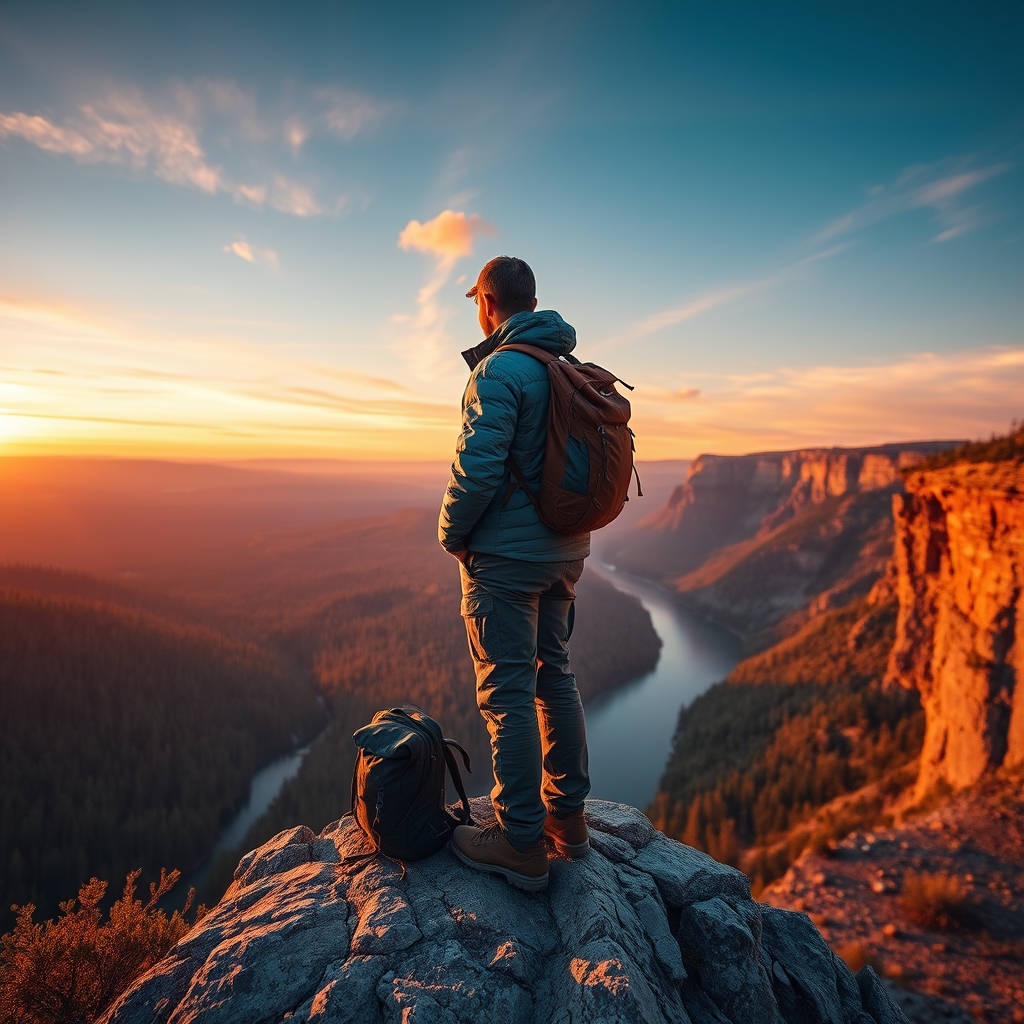
There’s something undeniably freeing about setting out on your own, map in hand (or GPS on your phone), with nothing but the open road and a sense of curiosity guiding you. Solo travel doesn’t have to mean weeks of isolation or expensive flights to far-flung destinations. Instead, it can be as simple as a weekend spent exploring the wild, untamed corners of your own state—or even the next one over. These micro-adventures are the perfect antidote to the monotony of daily life, offering a chance to reconnect with nature, challenge yourself, and return home refreshed, inspired, and already planning your next escape.
The Rise of the Solo Micro-Adventure
Micro-adventures are short, local trips that pack a punch without requiring a major time commitment or budget. They’re the kind of experiences that fit neatly into a weekend, yet leave a lasting impression. For solo travelers, these adventures are especially appealing because they offer the freedom to move at your own pace, make spontaneous decisions, and immerse yourself fully in the experience without the need to compromise. Whether it’s a sunrise hike to a secluded viewpoint, a kayaking trip down a quiet river, or a night spent stargazing in a remote desert, micro-adventures prove that you don’t need to travel far to find something extraordinary.
What makes these trips so special is their accessibility. You don’t need to be an experienced outdoorsperson or have a closet full of gear to enjoy them. Many micro-adventures can be undertaken with just the basics: a sturdy pair of shoes, a sense of adventure, and a willingness to step outside your comfort zone. The key is to seek out experiences that feel just a little bit challenging—whether that’s navigating a new trail, trying a water sport for the first time, or spending a night under the stars in a place you’ve never been before.
Where to Find Your Next Solo Escape
The beauty of micro-adventures is that they can be found almost anywhere, often just a short drive from home. National parks and state forests are obvious choices, offering well-maintained trails, breathtaking scenery, and a sense of solitude that’s hard to find elsewhere. For example, the Shenandoah National Park in Virginia is a haven for solo hikers, with its 500 miles of trails winding through lush forests and past cascading waterfalls. The park’s Skyline Drive offers easy access to some of the best viewpoints, making it perfect for a quick weekend getaway.
If you’re looking for something a little more off the beaten path, consider exploring the Badlands of South Dakota. The dramatic landscapes here are unlike anything else in the country, with layered rock formations, deep canyons, and vast prairies stretching as far as the eye can see. The park’s Castle Trail is a favorite among solo adventurers, offering a 10-mile round-trip hike that feels like stepping onto another planet. Camping under the stars here is an experience you won’t soon forget, with the Milky Way stretching overhead in a dazzling display of natural beauty.
For those who prefer water-based adventures, the Boundary Waters Canoe Area Wilderness in Minnesota is a dream come true. This vast network of lakes and rivers is perfect for solo canoeing or kayaking trips, with countless routes to explore. The silence of the wilderness, broken only by the call of loons or the splash of a paddle, is the perfect backdrop for reflection and relaxation. And because the area is so remote, it’s easy to find a secluded spot to set up camp for the night, far from the crowds.
Planning Your Adventure on a Budget
One of the biggest misconceptions about solo travel is that it has to be expensive. In reality, micro-adventures can be some of the most budget-friendly trips you’ll ever take. The key is to focus on experiences rather than accommodations or fancy meals. Camping is an obvious way to save money, and many national and state parks offer affordable campsites with basic amenities. If camping isn’t your style, look for budget-friendly cabins, hostels, or even last-minute deals on vacation rentals. Websites like Hipcamp and Airbnb often have hidden gems that won’t break the bank.
Another way to keep costs down is to pack your own food. Meal prepping before you leave ensures you’ll have plenty of snacks and easy-to-prepare meals, so you won’t have to rely on expensive restaurants or convenience stores. A portable stove or campfire can turn simple ingredients into a satisfying meal, and there’s something deeply satisfying about cooking in the great outdoors. Don’t forget to bring a reusable water bottle and a water filter if you’ll be in a remote area—staying hydrated is key, and it’s one less thing you’ll need to spend money on.
Transportation is another area where you can save. Instead of renting a car, consider using public transportation, ridesharing, or even biking to your destination if it’s close enough. Many cities and towns near popular outdoor destinations have shuttle services or bike rentals that make it easy to get around without a car. If you do need to drive, try to carpool with friends or use apps like GasBuddy to find the cheapest fuel along your route.
Gear Up Without Breaking the Bank
You don’t need top-of-the-line gear to enjoy a solo micro-adventure, but having a few key items can make your trip more comfortable and enjoyable. Start with the basics: a good pair of hiking shoes or boots, weather-appropriate clothing, and a reliable backpack. If you’re camping, a lightweight tent, sleeping bag, and sleeping pad are essential. Many outdoor retailers offer rental options, so you can try out gear before committing to a purchase. Websites like REI Co-op and Outdoor Geek rent everything from tents to kayaks, making it easy to gear up without a huge upfront investment.
For those who are new to solo adventuring, it’s worth investing in a few safety items. A personal locator beacon (PLB) or satellite messenger can be a lifesaver in remote areas where cell service is unreliable. These devices allow you to send an SOS signal with your location to emergency services, giving you peace of mind as you explore. A basic first aid kit, a headlamp, and a multi-tool are also must-haves for any solo trip.
Embracing the Solo Mindset
One of the most rewarding aspects of solo micro-adventures is the opportunity to disconnect from the noise of everyday life and reconnect with yourself. Without the distractions of work, social media, or even the company of others, you’ll have the space to reflect, recharge, and gain a new perspective. It’s amazing how a few hours spent hiking, paddling, or simply sitting by a campfire can clear your mind and leave you feeling more centered.
Of course, solo travel isn’t without its challenges. There will be moments of discomfort—maybe it’s the chill of a mountain night, the ache of sore muscles after a long hike, or the quiet hum of loneliness that creeps in when you’re far from home. But these moments are part of the journey, and they often lead to some of the most profound experiences. Pushing through discomfort can build resilience, and the sense of accomplishment you’ll feel at the end of your adventure is unmatched.
To make the most of your solo trip, try to embrace the unknown. Leave room in your itinerary for spontaneity—maybe you’ll stumble upon a hidden waterfall, strike up a conversation with a fellow traveler, or simply spend an extra hour watching the sunset because you can. These unplanned moments often become the highlights of the trip, the memories you’ll cherish long after you’ve returned home.
As you plan your next solo micro-adventure, remember that the goal isn’t to escape life but to engage with it more fully. Whether you’re scaling a mountain, paddling down a river, or simply sitting by a campfire under a sky full of stars, these experiences remind us of the beauty and wonder that exist just beyond our doorstep. All it takes is the courage to step outside and explore.