
The Currency Exchange Strategy Playbook: How Savvy Travelers Save Thousands on Global Adventures
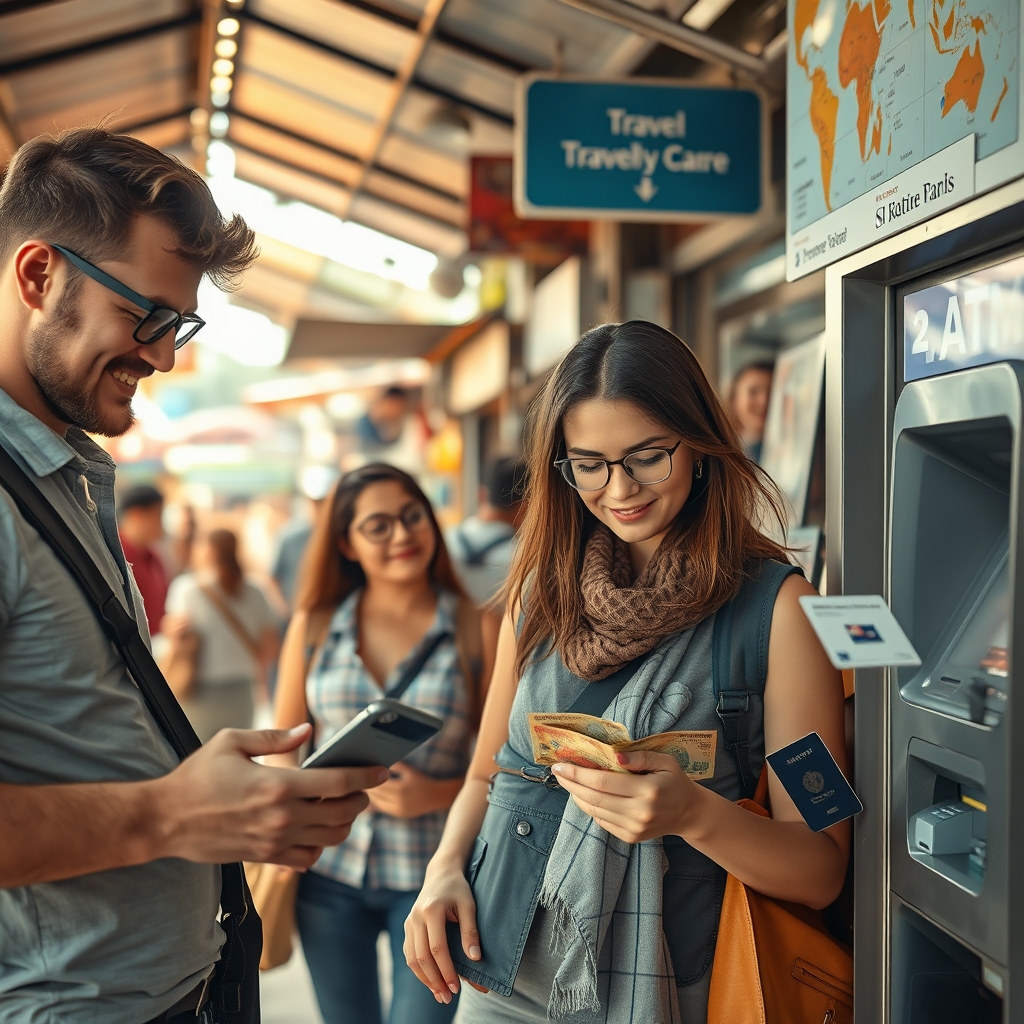
In an era where wanderlust knows no borders, the difference between a dream vacation and a financial nightmare often comes down to one critical factor: how you handle your money. While most travelers focus on finding the best flight deals or scoring luxury lodges at off-season rates, few realize that mastering currency exchange strategies can unlock thousands in savings—funds that could mean the difference between a standard trip and an extraordinary one. Whether you’re planning a multi-country rail journey through Europe or a digital nomad escape in Southeast Asia, understanding the nuances of global finance can transform your travel budget from restrictive to limitless.
The Hidden Costs of Currency Exchange
Most travelers approach currency exchange with a mix of confusion and resignation, defaulting to airport kiosks or local exchange bureaus without questioning the fees. Yet, these seemingly convenient options often come with hidden costs that can erode 5-10% of your travel budget before you even leave the terminal. The markup on exchange rates, service fees, and even dynamic pricing based on demand mean that the same $1,000 could buy you 5% more—or less—depending on where and how you exchange it. For a family planning a month-long adventure across multiple countries, these small percentages add up to thousands in lost value.
Banks and credit card companies also play a role in this financial maze. While some offer “no foreign transaction fees,” others impose charges of 1-3% per purchase, which can accumulate quickly for those booking eco-luxury lodges or splurging on experiential workshops. The key lies in understanding the fine print and leveraging tools that minimize these costs without sacrificing convenience or security.
Strategic Tools for the Modern Traveler
The first step in optimizing your currency exchange strategy is to ditch the outdated notion of carrying large amounts of cash. Instead, embrace a multi-pronged approach that combines digital payments, prepaid cards, and strategic cash withdrawals. Travel-friendly debit cards, such as those offered by Wise (formerly TransferWise) or Revolut, provide near-interbank exchange rates and low or no ATM withdrawal fees. These cards are particularly valuable for digital nomads or those embarking on cross-border expeditions, where access to local currency is essential but carrying cash is impractical.
For larger expenses, such as booking wellness retreats or adventure safari packages, credit cards with no foreign transaction fees are a game-changer. Cards like the Chase Sapphire Preferred or Capital One Venture Rewards not only waive these fees but also offer travel rewards that can be redeemed for future trips. However, it’s crucial to notify your bank of your travel plans to avoid fraud alerts that could freeze your card at a critical moment—like when checking into a converted historical stay in the heart of Rome.
The Power of Timing and Location
Timing is everything when it comes to currency exchange. Exchange rates fluctuate daily, and even small movements can have a significant impact on your budget. Tools like XE or OANDA allow travelers to monitor rates in real time and set alerts for favorable conditions. For example, if you’re planning a trip to Japan during cherry blossom season, keeping an eye on the yen’s value against your home currency could help you lock in a better rate weeks or even months in advance.
Location also plays a pivotal role. Airport exchange counters are notorious for offering the worst rates, while local banks or independent exchange bureaus in tourist-heavy areas may provide better deals. In cities like Bangkok or Istanbul, where Asian market tourism thrives, street vendors and markets often accept foreign currency at competitive rates, but it’s essential to verify the exchange rate before handing over your money. For those exploring remote coastal islands or anti-tourism escapes, planning ahead and withdrawing cash in major cities can save you from exorbitant fees in less accessible areas.
Advanced Tactics for the Globetrotter
For travelers venturing off the beaten path—whether to silent travel sanctuaries in Bhutan or heritage lineage journeys in Peru—cash remains king. In these destinations, ATMs may be scarce, and credit card acceptance is limited. Here, a combination of prepaid travel cards and small amounts of local currency can provide flexibility without the risk of carrying large sums. Prepaid cards, such as those from Travelex or Caxton FX, allow you to load multiple currencies onto a single card, locking in exchange rates before your trip. This is particularly useful for solo travelers or festival jetsetters hopping between countries, where managing multiple currencies can be a logistical nightmare.
Another advanced tactic is to leverage peer-to-peer exchange platforms like WeSwap or CurrencyFair. These platforms connect travelers with locals or other tourists looking to exchange currency, often at rates far better than traditional banks. While this approach requires a bit more effort, it can be a lifesaver for those spending extended periods in a single country or exploring regions where traditional banking services are limited.
Protecting Yourself from Scams and Pitfalls
While currency exchange strategies can save you money, they also come with risks. Scams targeting tourists are rampant in popular destinations, from rigged ATMs that skim card details to counterfeit bills handed out by unscrupulous vendors. To protect yourself, always use ATMs located inside banks or reputable establishments, and avoid exchanging money on the street, no matter how favorable the rate seems. Additionally, be wary of dynamic currency conversion, a practice where merchants offer to charge your card in your home currency rather than the local one. While this may seem convenient, it often comes with hidden fees and unfavorable exchange rates.
For those booking accommodations or tours online, always pay in the local currency to avoid these pitfalls. Websites like Booking.com or Airbnb often default to your home currency, but opting to pay in the local currency can save you 2-5% on the total cost. This small adjustment can add up to significant savings, especially for those splurging on eco-luxury lodges or multi-country passes.
Putting It All Together: A Case Study
Consider the story of Maya, a digital nomad planning a three-month journey through Southeast Asia. By leveraging a combination of Wise for daily expenses, a no-foreign-fee credit card for larger purchases, and prepaid travel cards for cash withdrawals in remote areas, she saved over $1,200 compared to her previous trips, where she relied solely on airport exchanges and local ATMs. Her savings allowed her to extend her stay in Bali, where she indulged in a week-long wellness retreat, and splurge on a heritage lineage workshop in Vietnam—experiences that would have been out of reach without her strategic approach to currency exchange.
Maya’s story is a testament to the power of financial savvy in travel. Whether you’re a solo traveler exploring the hidden gems of Europe or a festival jetsetter chasing the world’s most vibrant celebrations, mastering currency exchange strategies can unlock a world of possibilities. The money you save isn’t just about stretching your budget; it’s about enriching your journey, allowing you to dive deeper into local cultures, indulge in once-in-a-lifetime experiences, and return home with memories—not regrets—of how you spent your travel funds. The world is full of adventures waiting to be discovered, and with the right financial tools, you can explore it all without breaking the bank.