The Hidden Gems of Eco Luxury: How Off-Season Travel Transforms Your Journey into a Sustainable Escape
In a world where travel has become synonymous with crowded attractions and over-touristed hotspots, a quiet revolution is taking place. Discerning travelers are increasingly seeking experiences that not only rejuvenate the soul but also respect the planet. The fusion of eco-luxury lodges and off-season exploration is redefining what it means to wander the globe, offering a path to sustainability without sacrificing comfort or adventure. This is not just about where you stay—it’s about how you travel, when you go, and the impact you leave behind.
The Rise of Eco Luxury Lodges: Where Opulence Meets Earth-Conscious Design
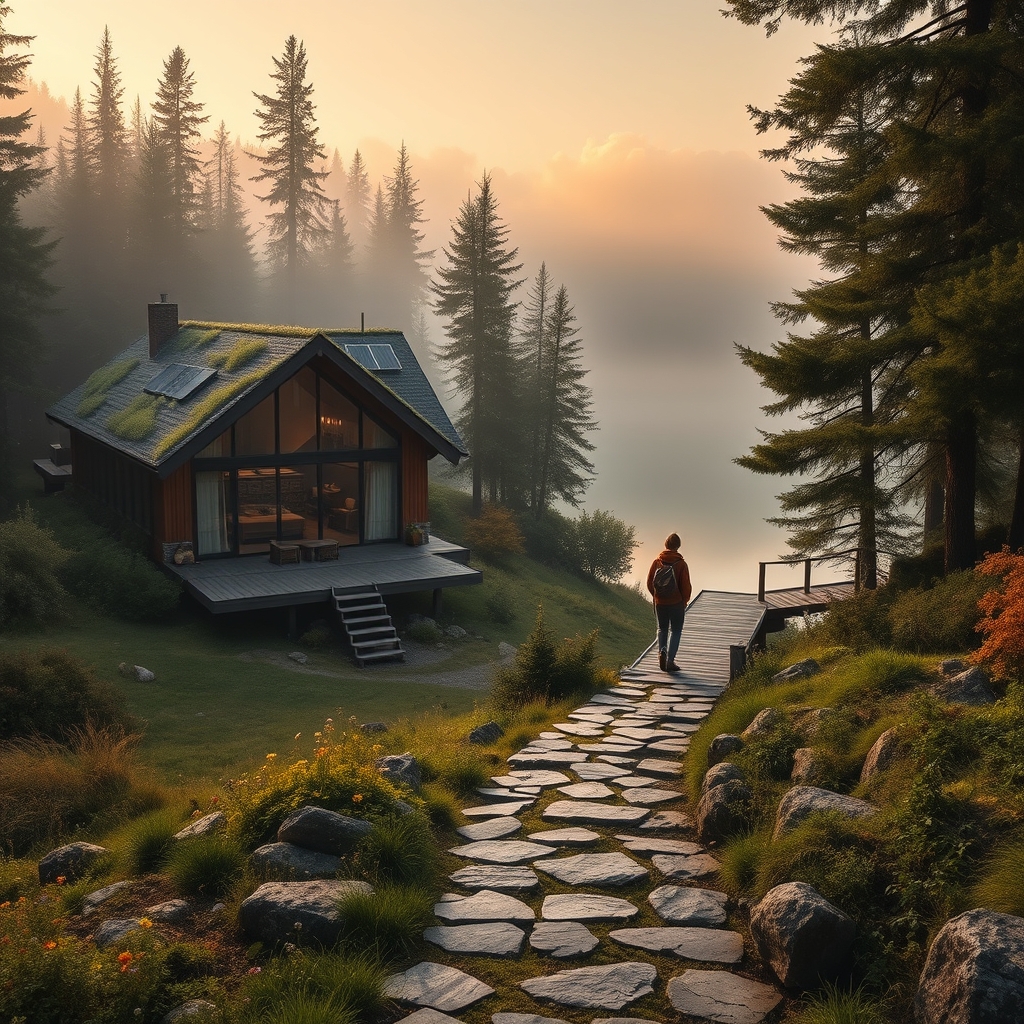
Eco luxury lodges are no longer a niche concept; they are a growing movement. These sanctuaries blend high-end amenities with sustainable practices, proving that indulgence and environmental stewardship can coexist. From solar-powered villas nestled in the Costa Rican rainforest to zero-waste retreats perched on the cliffs of Bali, these lodges are setting new standards for responsible tourism. What sets them apart is their commitment to harmony with nature—think locally sourced materials, energy-efficient designs, and conservation initiatives that protect the surrounding ecosystems.
But eco luxury is more than just a checklist of green certifications. It’s an ethos that extends to the guest experience. Many lodges offer immersive activities like guided wildlife conservation tours, farm-to-table dining experiences, and cultural exchanges with local communities. These experiences don’t just minimize harm—they actively contribute to the preservation of the destinations they inhabit. For travelers weary of mass tourism, eco luxury lodges provide a way to disconnect from the noise and reconnect with the planet in a meaningful way.
Off-Season Europe: The Secret to Authentic, Crowd-Free Adventures
Europe’s charm is undeniable, but its popularity comes at a cost. Summer months bring swarms of tourists to iconic cities like Paris, Venice, and Barcelona, turning cultural landmarks into crowded photo ops. Yet, those who venture off-season—from late autumn to early spring—discover a continent that is quieter, more affordable, and infinitely more authentic. Off-season travel isn’t just about avoiding crowds; it’s about experiencing destinations as they truly are, without the veneer of peak-season tourism.
Imagine strolling through the cobbled streets of Prague in December, where Christmas markets glow under a dusting of snow, and locals outnumber tourists. Or exploring the Amalfi Coast in February, when the lemon groves are lush, the hotels are half the price, and the coastal paths are yours to wander in solitude. Off-season travel also means better access to hidden gems, like the thermal baths of Budapest or the medieval villages of Slovenia, where you can engage with locals without the pressure of tourist expectations.
Beyond the practical benefits, off-season travel aligns with sustainable tourism principles. By spreading visitor numbers throughout the year, it eases the strain on infrastructure and reduces the environmental footprint of over-tourism. It’s a win-win: travelers enjoy richer experiences, while destinations benefit from year-round economic stability without the ecological toll.
Wellness Retreats: The Perfect Complement to Eco Luxury and Off-Season Travel
For those seeking more than just a change of scenery, wellness retreats offer a holistic escape that nurtures the mind, body, and spirit. When paired with eco luxury lodges and off-season travel, these retreats become transformative experiences. Picture a yoga session at dawn in a bamboo pavilion overlooking the Andaman Sea, or a meditation retreat in the misty mountains of Portugal, where the crisp air and silence amplify the sense of renewal.
Wellness retreats in eco luxury settings often emphasize sustainability in their programming. Think plant-based meals crafted from organic gardens, spa treatments using locally harvested ingredients, and digital detoxes that encourage guests to unplug and reconnect with nature. Off-season travel enhances these experiences by providing a serene backdrop—fewer distractions, cooler temperatures, and a slower pace that allows for deeper introspection.
Crafting Your Sustainable Escape: Practical Tips for the Conscious Traveler
Planning a trip that aligns with eco luxury and off-season principles doesn’t have to be complicated. Start by researching lodges that prioritize sustainability—look for certifications like LEED, Green Key, or EarthCheck, and read reviews to understand their environmental and social impact. Websites like EcoBnb and BookDifferent specialize in curating eco-friendly accommodations, making it easier to find options that match your values.
When choosing your destination, consider the shoulder seasons—the periods just before or after peak travel times. For Europe, this might mean late September to early November or March to May. Not only will you avoid the crowds, but you’ll also enjoy milder weather and lower prices. For wellness retreats, off-season travel can mean fewer guests, more personalized attention, and a greater sense of tranquility.
Finally, think beyond the lodge or retreat. Sustainable travel is about the entire journey, from how you get there to how you engage with the local community. Opt for direct flights to reduce your carbon footprint, use public transportation or bike rentals to explore, and support local businesses by dining at family-owned restaurants and shopping at artisan markets. Every small choice adds up to a more responsible and rewarding travel experience.
As the world reopens and travel resumes, the choices we make as explorers have never mattered more. Eco luxury lodges and off-season adventures offer a blueprint for a new kind of travel—one that is kinder to the planet, richer in experience, and deeply personal. Whether you’re seeking solitude in a remote coastal village, cultural immersion in a historic city, or rejuvenation in a wellness retreat, the path to meaningful travel is paved with intention. The question is no longer where you’ll go next, but how you’ll leave the world a little better than you found it.