
Beyond the Beaten Path: Unlocking the Magic of Cross-Border Rail and Seasonal Festival Getaways
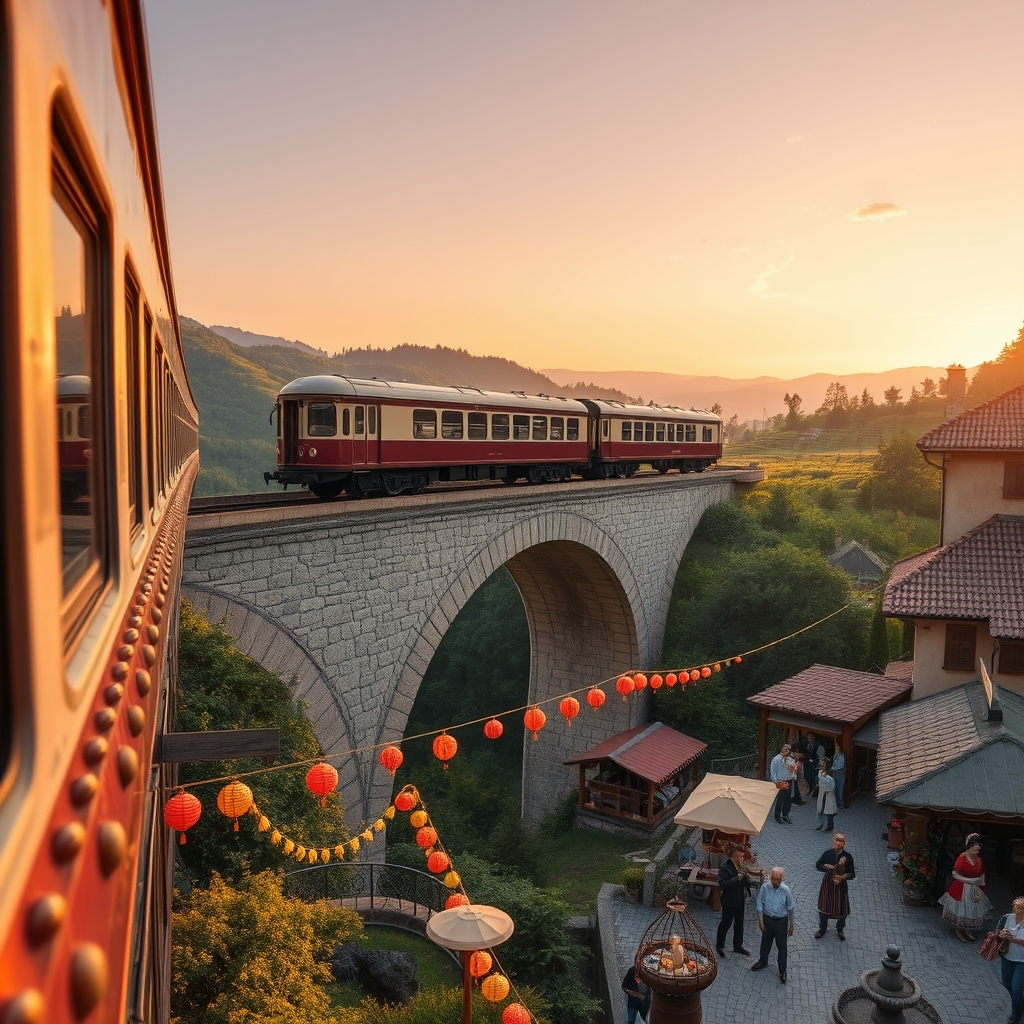
There’s something inherently thrilling about boarding a train in one country and disembarking in another, the landscape shifting subtly with every mile. Cross-border rail journeys offer more than just transportation—they’re a gateway to immersive experiences, where the journey itself becomes as memorable as the destination. Unlike the hurried pace of short-haul flights or the isolation of a solo road trip, rail travel invites you to slow down, observe, and connect with the rhythm of the regions you traverse. It’s a reminder that the world is vast, yet beautifully interconnected, especially when you venture beyond the well-trodden tourist trails.
The Allure of Secondary Destinations
While major cities dazzle with their iconic landmarks, secondary destinations often hold the key to authentic cultural encounters. Think of the charming towns nestled along the Alps, where cross-border rail lines weave through valleys dotted with centuries-old villages, or the coastal hamlets of the Adriatic, accessible only by scenic routes that reward travelers with breathtaking vistas. These places thrive on their own unique pace, untouched by the frenzy of mass tourism. They’re where you’ll find the last remaining family-run trattorias serving recipes passed down through generations, or local artisans crafting goods with techniques that predate the industrial era.
Multi-destination passes, like the Eurail Global Pass or the Japan Rail Pass, make exploring these hidden corners effortless. They eliminate the hassle of booking individual tickets, allowing you to hop on and off trains at your leisure. Imagine starting your journey in the medieval streets of Bruges, then gliding into Luxembourg’s dramatic gorges, before ending in the vineyard-draped hills of Alsace—all without the stress of navigating multiple booking platforms or currency exchanges. These passes aren’t just about convenience; they’re an invitation to curate a journey that’s as spontaneous as it is intentional.
Seasonal Festivals: Where Culture Comes Alive
Festivals are the heartbeat of a region, offering a window into its traditions, history, and communal spirit. Yet, many travelers overlook the magic of planning trips around these events, opting instead for the predictability of peak-season crowds. Off-peak festival getaways, however, provide a rare opportunity to experience a destination at its most vibrant—without the usual throngs of tourists. Picture the lantern-lit streets of Chiang Mai during Yi Peng, where thousands of floating lanterns illuminate the night sky, or the lively parades of Carnival in Barranquilla, Colombia, where music and dance spill into every corner of the city.
Timing your visit to coincide with a local festival doesn’t just enrich your travel experience; it often leads to unexpected connections. You might find yourself sharing a meal with a family in Oaxaca during Día de los Muertos, or joining a traditional dance in Kerala’s Onam celebrations. These moments are the ones that linger long after the trip ends, turning a simple getaway into a story worth retelling. And with cross-border rail routes, you can easily extend your festival adventure into neighboring regions, like traveling from Germany’s Oktoberfest to Austria’s Almabtrieb, where cattle are adorned with flowers and paraded through the streets.
Scenic Bus Routes: The Road Less Traveled
While trains often steal the spotlight, scenic bus routes offer their own brand of magic, particularly in regions where rail infrastructure is limited. These journeys take you through landscapes that are otherwise inaccessible, from the winding roads of the Andes to the coastal cliffs of the Amalfi Coast. In countries like Peru, the bus ride from Cusco to Puno isn’t just a means to an end—it’s a spectacle of high-altitude lakes, traditional Quechua villages, and the occasional alpaca grazing by the roadside. Similarly, the bus routes in New Zealand’s South Island reveal a tapestry of fjords, glaciers, and golden beaches, each turn in the road unveiling a new postcard-worthy view.
For those willing to trade speed for scenery, overnight bus journeys can be a game-changer. They allow you to wake up in a new destination, refreshed and ready to explore, while saving on accommodation costs. In Southeast Asia, routes like the overnight bus from Hanoi to Sapa or Bangkok to Chiang Mai are legendary among travelers for their comfort and efficiency. And with the rise of eco-friendly bus operators, these journeys are becoming more sustainable, aligning with the growing demand for responsible travel.
Cultural Immersion Beyond the Guidebook
The most memorable travel experiences often happen when you step outside your comfort zone and engage with a place on its own terms. This might mean spending a night in a countryside eco-farm in Tuscany, where you learn to make pasta from scratch using ingredients grown on-site, or joining a local sports event in a small town, like a Gaelic football match in Ireland or a kabaddi tournament in rural India. These immersive experiences don’t just deepen your understanding of a culture—they create a sense of belonging, even if only for a short time.
Heritage trail mapping is another powerful way to connect with a region’s history. Whether it’s following the Silk Road through Central Asia or tracing the footsteps of the Underground Railroad in the U.S., these trails offer a narrative that goes beyond dates and facts. They invite you to walk in the shoes of those who came before, to see the world through their eyes. And when combined with cross-border rail or scenic bus routes, these trails become part of a larger journey, one that spans borders and centuries.
Travel is no longer just about ticking off bucket-list destinations or chasing viral hotspots. It’s about seeking out the stories that make a place unique, the moments that make you feel alive, and the connections that remind you of our shared humanity. Whether you’re gliding through the countryside on a train, dancing in the streets during a festival, or sharing a meal with locals, the real magic lies in the unexpected. It’s in the quiet conversations, the unplanned detours, and the realization that the world is far more vast and wondrous than any guidebook could ever capture. And perhaps, that’s the greatest adventure of all—discovering that the journey itself is the destination.