
The Rhythm of the Reef: Where Marine Sanctuaries and Island Adventures Collide
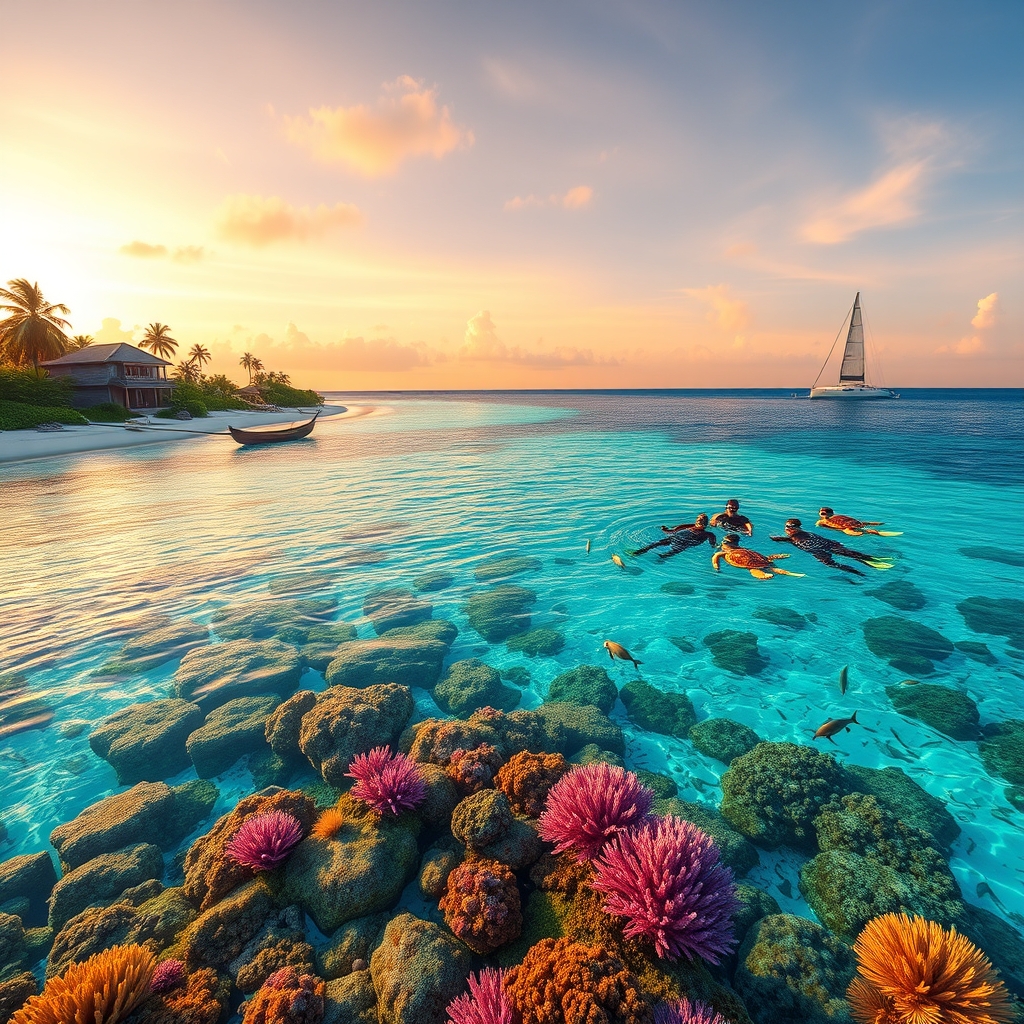
The ocean has always been a canvas of wonder, but nowhere is its magic more palpable than where vibrant coral gardens pulse with life beneath the surface. Marine sanctuaries—protected pockets of the sea where ecosystems thrive undisturbed—are not just havens for marine biodiversity; they are gateways to some of the most transformative island experiences on Earth. Here, the line between exploration and conservation blurs, inviting travelers to dive deeper, not just into the water, but into the heart of what makes these destinations truly extraordinary.
The Guardians of the Deep: Why Marine Sanctuaries Matter
Marine sanctuaries are more than just pretty postcards of turquoise waters and swaying sea fans. They are critical lifelines for endangered species, nurseries for juvenile fish, and buffers against the impacts of climate change. Places like the Chumbe Island Coral Park in Tanzania or the Hol Chan Marine Reserve in Belize have become blueprints for sustainable tourism, proving that conservation and travel can coexist harmoniously. These sanctuaries offer travelers the rare opportunity to witness ecosystems in their purest form, where every dive or snorkel becomes a lesson in the delicate balance of nature.
What sets these destinations apart is their commitment to education and community involvement. Many sanctuaries work hand-in-hand with local guides, scientists, and conservationists to ensure that tourism dollars directly support protection efforts. Visitors leave not just with memories, but with a deeper understanding of the ocean’s fragility—and their role in safeguarding it.
Island Escapes with a Purpose
For those seeking more than just a beachside lounge, marine sanctuaries offer a gateway to adventure with a conscience. Imagine waking up in a boutique beach hotel perched on the edge of a protected lagoon, where the day’s itinerary includes a guided snorkel through a thriving coral reef, followed by a sunset catamaran cruise along the coast. Destinations like Raja Ampat in Indonesia or the Great Barrier Reef’s Whitsunday Islands blend luxury with purpose, offering high-end resorts that prioritize eco-friendly practices without sacrificing comfort.
These islands are also hubs for scuba diving hotspots, where divers can explore underwater caves, swim alongside manta rays, or marvel at the kaleidoscope of colors in a healthy reef. But the experience doesn’t end when you surface. Many sanctuaries offer coral reef conservation workshops, where travelers can participate in coral nurseries or learn about the science behind reef restoration. It’s a chance to give back while indulging in the kind of adventure that leaves a lasting impact.
Beyond the Reef: Cultural and Culinary Delights
The magic of marine sanctuaries extends beyond the water. The islands that cradle these protected areas are often rich in culture, history, and cuisine, offering a well-rounded experience for the curious traveler. In Palau, for example, visitors can dive into the famous Jellyfish Lake—where millions of golden jellyfish pulse through the water—before feasting on fresh coconut crab, a local delicacy. Meanwhile, in the Seychelles, the Vallée de Mai nature reserve, a UNESCO World Heritage site, offers a glimpse into a prehistoric forest, while the surrounding waters teem with marine life.
Island culture festivals add another layer of vibrancy to these destinations. In Fiji, the Bula Festival celebrates local traditions with music, dance, and food, while in Hawaii, the Merrie Monarch Festival showcases the art of hula, connecting visitors to the soul of the islands. These experiences remind us that the ocean is not just a playground—it’s a way of life for the communities that call these islands home.
The Future of Marine Sanctuary Travel
As travelers become more conscious of their environmental footprint, marine sanctuaries are evolving to meet the demand for sustainable, immersive experiences. Eco island tourism is no longer a niche market; it’s a growing movement, with destinations like Cocos Island in Costa Rica and the Phoenix Islands Protected Area in Kiribati leading the charge. These places offer remote island escapes where the focus is on preservation, education, and low-impact travel.
For those willing to venture off the beaten path, uninhabited island tours provide a rare glimpse into untouched paradise. Whether it’s kayaking through the mangroves of Belize’s Glover’s Reef or camping under the stars on a deserted atoll in the Maldives, these experiences redefine what it means to disconnect. They also serve as a powerful reminder of why these sanctuaries exist: to protect the wild, the rare, and the beautiful for generations to come.
The allure of marine sanctuaries lies in their ability to transform the way we see the world. They challenge us to look beyond the surface, to understand the intricate web of life that thrives beneath the waves, and to recognize our place within it. Whether you’re drifting over a coral garden, savoring the flavors of a tropical island feast, or simply watching the sunset from the deck of a catamaran, these destinations offer more than just a getaway—they offer a chance to fall in love with the ocean all over again. And in doing so, they inspire us to become stewards of the sea, ensuring that its rhythm continues to pulse for years to come.