
The World’s Most Breathtaking Remote Island Escapes for the Ultimate Seeker of Solitude
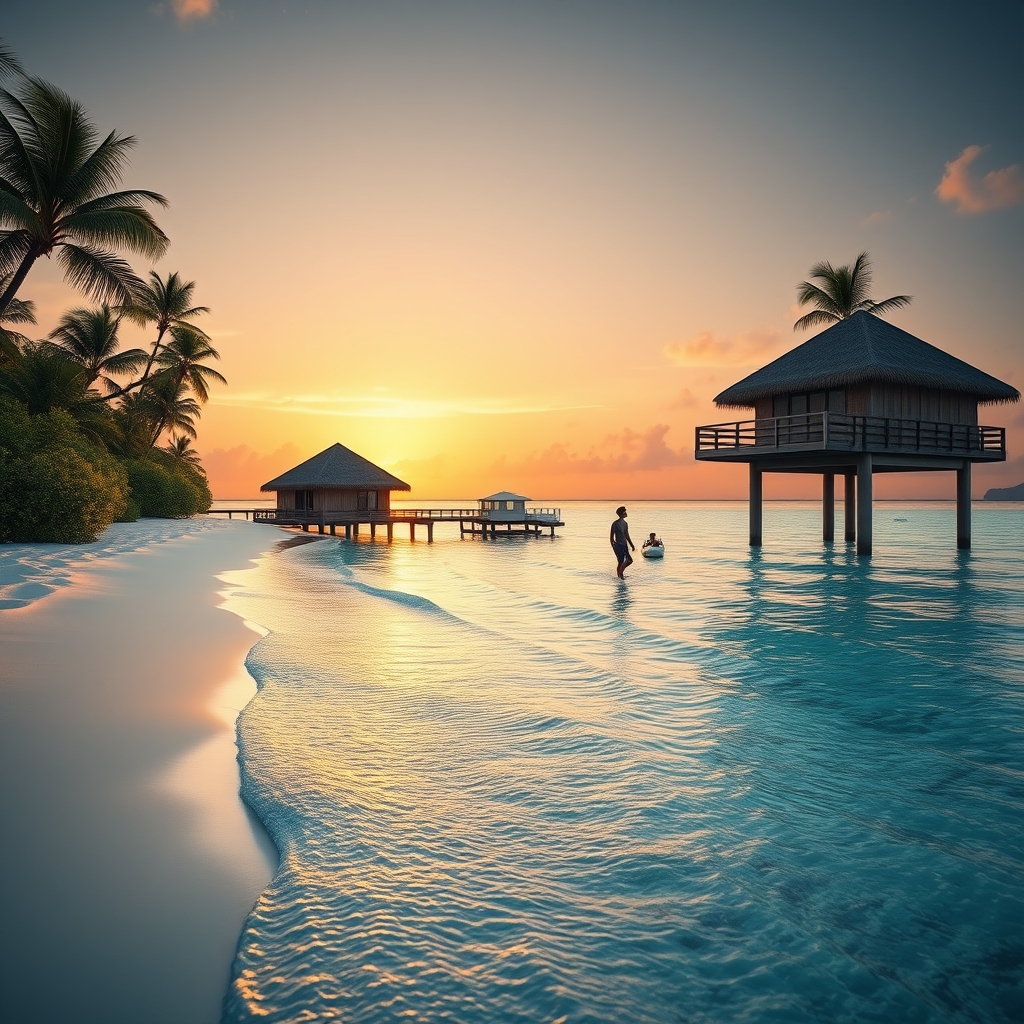
There’s something inherently magical about stepping onto an island where the only footprints in the sand are your own. Remote island escapes offer a rare chance to disconnect from the relentless pace of modern life and reconnect with nature in its purest form. These hidden paradises, scattered across the globe, promise untouched beauty, unspoiled landscapes, and a sense of solitude that’s increasingly hard to find. Whether you’re seeking a luxury overwater bungalow, a rugged volcanic trek, or a secret lagoon excursion, the world’s most secluded islands deliver an experience that lingers long after you’ve returned to reality.
The Allure of Remote Island Escapes
What makes remote islands so irresistible? It’s not just the postcard-perfect beaches or the crystal-clear waters—though those are undeniable draws. It’s the sense of discovery, the thrill of exploring a place where few have ventured before. These islands are often devoid of mass tourism, allowing visitors to immerse themselves in the local culture, wildlife, and natural wonders without the crowds. From the dense jungles of the Andaman Islands to the icy fjords of the Faroe Islands, each remote escape offers a unique blend of adventure and tranquility.
For those who crave luxury, destinations like the Maldives or Bora Bora provide overwater bungalows that seem to float above the ocean, offering direct access to vibrant coral reefs and marine life. Meanwhile, adventurers might gravitate toward the volcanic landscapes of Iceland’s Westman Islands or the untamed wilderness of the Galápagos, where encounters with rare species are almost guaranteed. No matter your preference, remote islands cater to every kind of traveler, from the intrepid explorer to the seeker of serene solitude.
Top Remote Islands You Need to Visit
The Andaman and Nicobar Islands, India
Tucked away in the Bay of Bengal, the Andaman and Nicobar Islands are a hidden gem for those looking to escape the tourist trail. With their dense rainforests, pristine beaches, and rich marine biodiversity, these islands are a paradise for eco-tourists and scuba diving enthusiasts. Havelock Island, in particular, is renowned for its Radhanagar Beach, often ranked among the best beaches in Asia. The islands are also home to indigenous tribes, offering a rare glimpse into cultures that have remained largely untouched by the outside world.
The Faroe Islands, Denmark
For a remote escape that feels like another planet, the Faroe Islands deliver. This archipelago, located between Iceland and Norway, is a haven for hikers, birdwatchers, and photographers. The dramatic landscapes—think towering cliffs, cascading waterfalls, and deep fjords—are a testament to the raw power of nature. The Faroe Islands are also one of the few places where you can witness the midnight sun in summer or the mesmerizing Northern Lights in winter. With a strong emphasis on sustainable tourism, this destination is perfect for travelers who want to explore without leaving a heavy footprint.
The Cook Islands, South Pacific
If you’re dreaming of a tropical paradise far from the crowds, the Cook Islands should be at the top of your list. This 15-island nation is a haven of white-sand beaches, turquoise lagoons, and lush rainforests. Aitutaki, one of the most famous islands, is home to one of the world’s most beautiful lagoons, where you can snorkel among colorful fish or simply relax on a deserted motu (small islet). The Cook Islands also boast a rich Polynesian culture, with traditional dance performances, local feasts, and warm hospitality that make visitors feel like part of the family.
How to Make the Most of Your Remote Island Getaway
Planning a trip to a remote island requires a bit more preparation than your average vacation, but the rewards are well worth the effort. Start by researching the best time to visit—some islands have strict seasonal access due to weather or wildlife migrations. Packing is also key: bring essentials like reef-safe sunscreen, a good pair of hiking shoes, and a waterproof camera to capture the stunning landscapes. If you’re visiting an island with limited infrastructure, consider bringing cash, as ATMs and card payments may not be widely available.
Once you arrive, take the time to engage with the local community. Many remote islands rely on tourism for their livelihood, and supporting local businesses—whether it’s a family-run guesthouse, a small restaurant serving tropical island cuisine, or a guided eco-tour—ensures that your visit has a positive impact. Respect the environment by following Leave No Trace principles, and be mindful of cultural sensitivities, especially in areas with indigenous populations.
Eco-Friendly Travel: Protecting Remote Islands for Future Generations
Remote islands are often fragile ecosystems, and their beauty can be easily disrupted by irresponsible tourism. To minimize your impact, opt for eco-friendly accommodations that prioritize sustainability, such as boutique beach hotels powered by renewable energy or resorts that participate in coral reef conservation efforts. Avoid single-use plastics, and be cautious when interacting with wildlife—never feed animals or disturb their natural habitats. If you’re diving or snorkeling, choose operators that follow sustainable practices, such as using mooring buoys instead of anchors to protect coral reefs.
Many remote islands are also at the forefront of marine sanctuary travel, where conservation efforts are helping to preserve endangered species and restore damaged ecosystems. By choosing to visit these destinations, you’re not just treating yourself to an unforgettable experience—you’re also contributing to the protection of some of the world’s most precious natural wonders.
There’s no denying the transformative power of a remote island escape. Whether you’re lounging in a luxury overwater bungalow, trekking through a volcanic landscape, or simply sitting on a deserted beach with the sound of waves as your only companion, these destinations offer a rare opportunity to step off the grid and into a world of untouched beauty. The memories you make will stay with you long after you’ve returned home, a reminder of the peace and wonder that can only be found in the world’s most secluded corners.