
The Silent Revolution: How Asian Market Tourism and Experiential Local Workshops Are Redefining Authentic Travel
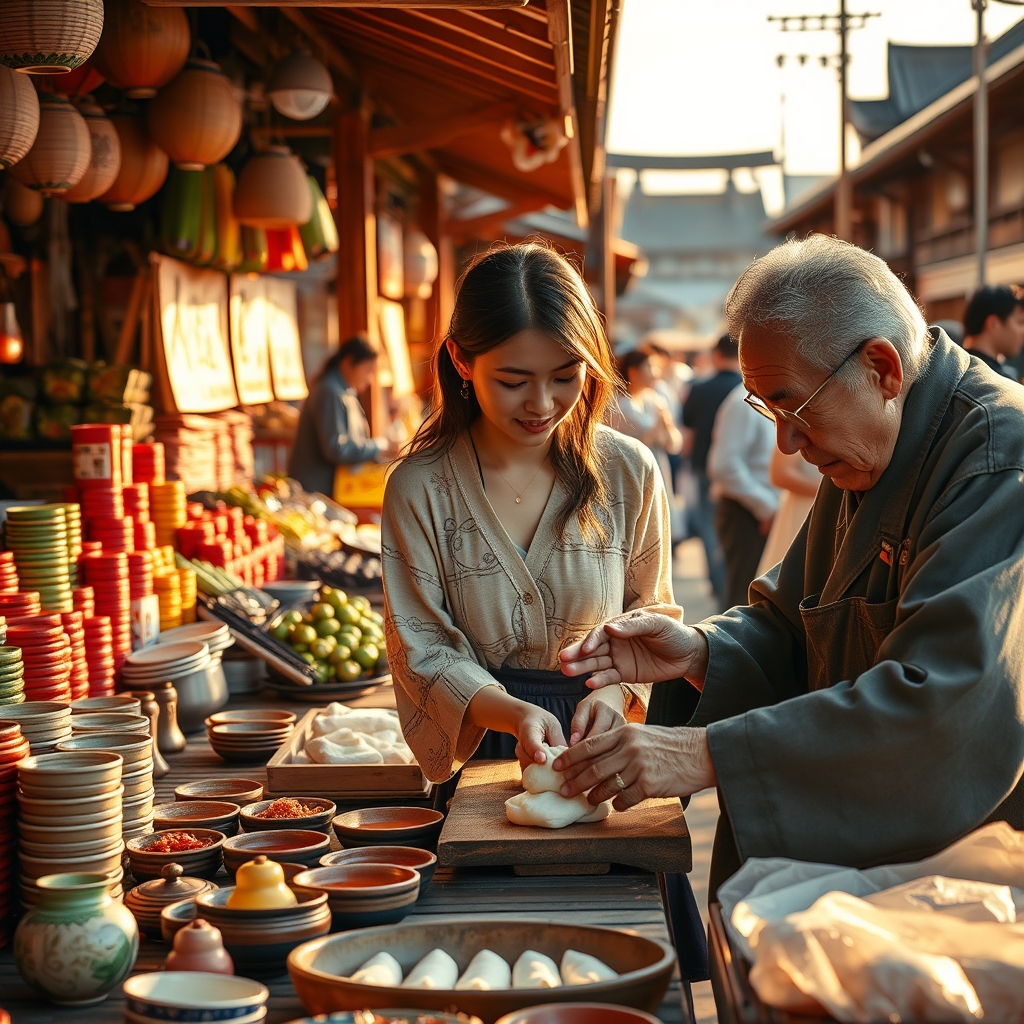
In an era where overtourism has turned once-hidden gems into crowded hotspots, a quiet revolution is reshaping the way we explore the world. Travelers are no longer content with passive sightseeing or generic itineraries—they crave immersion, connection, and stories that linger long after the journey ends. At the heart of this shift lies a growing fascination with Asian market tourism and experiential local workshops, two trends that are redefining authenticity in travel. These aren’t just activities to tick off a list; they’re gateways to understanding cultures, traditions, and the rhythms of daily life in ways that guidebooks simply can’t capture.
The Allure of Asian Market Tourism
Step into the labyrinthine alleys of Tokyo’s Tsukiji Outer Market at dawn, where the air hums with the energy of vendors preparing their stalls for the day. The scent of fresh wasabi, the sizzle of tempura, and the rhythmic chopping of knives on cutting boards create a symphony of sensory delights. This is Asian market tourism at its finest—a far cry from the sterile aisles of a supermarket or the curated displays of a tourist trap. Markets like Tsukiji, Bangkok’s Chatuchak, or Taipei’s Raohe Night Market are more than just places to shop; they’re living museums where history, commerce, and community intersect.
What makes these markets so compelling is their ability to offer a microcosm of a destination’s soul. In Vietnam’s Ben Thanh Market, you can haggle for handwoven textiles while sipping on cà phê sữa đá from a street-side vendor. In India’s Chandni Chowk, the cacophony of rickshaw bells and the aroma of parathas frying in ghee transport you to a bygone era. These spaces are where locals gather, where traditions are preserved, and where travelers can witness the pulse of a city in its rawest form. The key to unlocking their magic lies in approaching them with curiosity rather than a checklist—engaging with vendors, sampling unfamiliar foods, and allowing yourself to get lost in the chaos.
Beyond the Souvenir: The Rise of Experiential Local Workshops
While markets offer a glimpse into daily life, experiential local workshops take immersion to the next level by inviting travelers to participate in the creation of culture. These workshops—whether it’s learning the art of Japanese wagashi (traditional sweets), crafting batik fabrics in Indonesia, or mastering the delicate folds of Thai banana leaf art—provide a hands-on education that transcends the role of a passive observer. They’re not just about acquiring a new skill; they’re about forging connections with artisans, understanding the stories behind their crafts, and leaving with a piece of the destination’s heritage.
One of the most transformative aspects of these workshops is their ability to foster cross-cultural exchange. In Kyoto, a matcha ceremony isn’t just about sipping tea; it’s a lesson in mindfulness, history, and the Japanese philosophy of ichigo ichie (one time, one meeting). In Oaxaca, Mexico, a mole-making class becomes a celebration of indigenous ingredients and the generations of women who have perfected the recipe. These experiences remind us that travel isn’t just about seeing the world—it’s about engaging with it, learning from it, and carrying its lessons forward.
The Anti-Tourism Appeal: Why These Trends Are Gaining Traction
The rise of Asian market tourism and experiential workshops is closely tied to the broader anti-tourism movement, which seeks to distance itself from the pitfalls of mass travel. Overtourism has left many destinations grappling with overcrowding, environmental degradation, and the erosion of local culture. In response, travelers are seeking alternatives that prioritize sustainability, authenticity, and meaningful engagement. Markets and workshops offer a solution by redirecting tourism dollars toward local economies and preserving traditions that might otherwise fade.
Moreover, these experiences align with the growing demand for slow travel—a philosophy that encourages deeper, more intentional exploration. Instead of rushing from one landmark to the next, slow travelers linger in markets, savoring each interaction, and dedicating hours to mastering a new craft. This approach not only enriches the traveler’s experience but also minimizes the environmental and cultural impact of tourism. It’s a win-win: travelers return home with stories, skills, and a deeper appreciation for the places they’ve visited, while local communities benefit from the economic and cultural exchange.
How to Curate Your Own Immersive Journey
For those eager to embrace this trend, the first step is to research destinations that offer rich market cultures and hands-on workshops. Southeast Asia, Japan, and India are particularly fertile ground, but opportunities abound in unexpected places—think of the spice markets of Zanzibar, the textile workshops of Guatemala, or the pottery studios of Portugal’s Alentejo region. Platforms like Airbnb Experiences, Withlocals, and local tourism boards often list workshops led by artisans, chefs, and cultural experts, making it easier than ever to find authentic experiences.
When planning your itinerary, resist the urge to over-schedule. Leave room for spontaneity—strike up a conversation with a vendor, accept an invitation to a family-run workshop, or simply wander without a map. The most memorable moments often arise from unplanned encounters. Additionally, consider traveling during the off-season, when markets and workshops are less crowded, and locals have more time to share their knowledge. Not only will you avoid the tourist rush, but you’ll also contribute to a more sustainable form of tourism.
The Future of Travel: A Return to Authenticity
As the travel industry continues to evolve, one thing is clear: the demand for authenticity is here to stay. Asian market tourism and experiential workshops represent a return to the roots of travel—a time when journeys were less about ticking off bucket-list items and more about connecting with people, places, and traditions. These experiences remind us that the true value of travel lies not in the destinations we visit, but in the stories we collect, the skills we acquire, and the perspectives we gain along the way. They challenge us to step outside our comfort zones, to engage with the unfamiliar, and to return home not just as tourists, but as storytellers, artisans, and global citizens.
The next time you find yourself in a bustling market or a sunlit workshop, take a moment to pause and soak it all in. Listen to the laughter of the vendors, feel the texture of the materials in your hands, and savor the flavors of a dish you’ve never tried before. These are the moments that transform a trip into a journey, and a journey into a lifelong memory. In a world that often feels increasingly homogenized, these experiences offer a reminder of the beauty that lies in diversity, tradition, and human connection—one market stall, one workshop, one story at a time.