
Festival Jetsetters: Chasing the World’s Most Vibrant Celebrations Beyond the Crowds
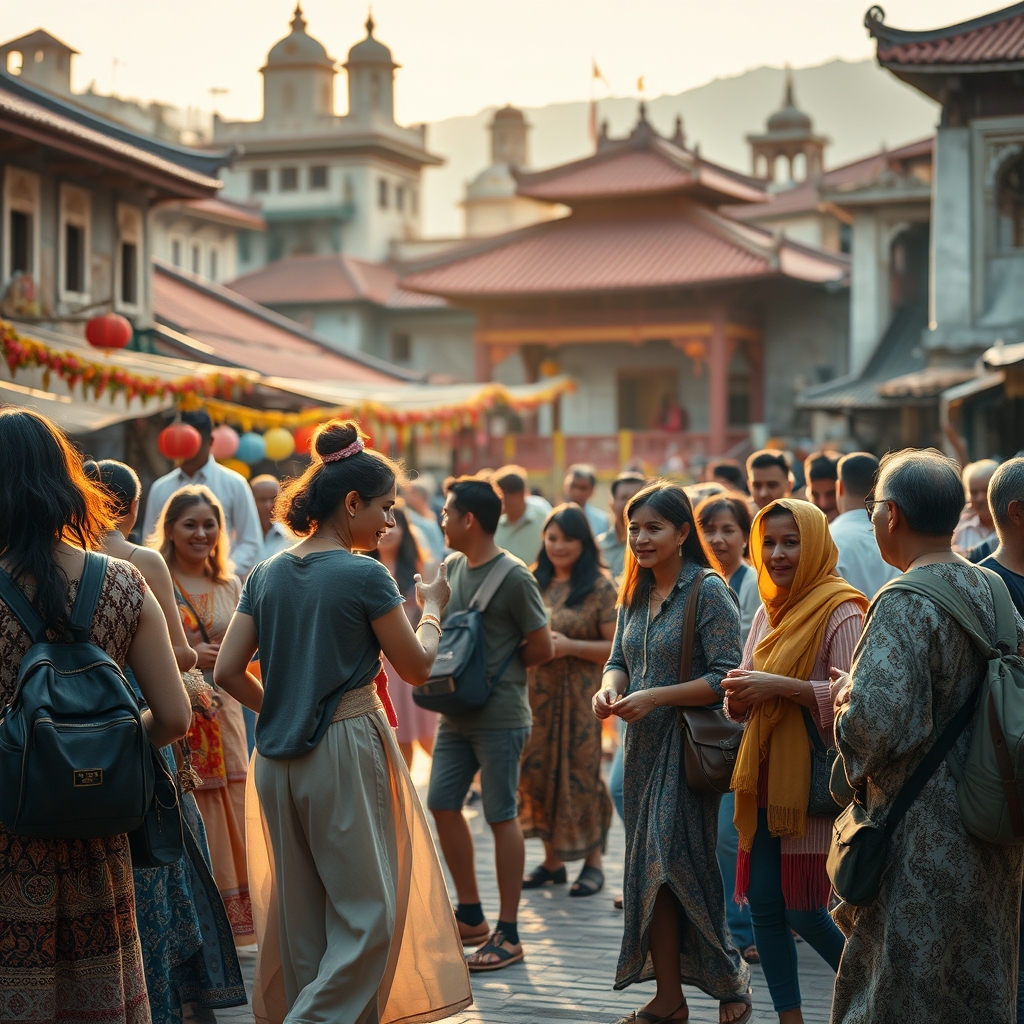
The world is a stage, and its festivals are the most dazzling performances—ephemeral, electric, and deeply rooted in culture. For the intrepid traveler, these celebrations offer more than just a party; they are gateways to authentic experiences, where tradition, community, and sheer joy collide. Yet, the modern festival jetsetter seeks more than just a front-row seat to the spectacle. They crave immersion without the overwhelm, connection without the chaos, and memories that linger long after the last firework fades. Here’s how to chase the world’s most vibrant celebrations while sidestepping the tourist traps and forging a journey that feels as unique as the festivals themselves.
The Allure of the Unconventional
While destinations like Rio’s Carnival or Oktoberfest in Munich are iconic, they’re also synonymous with crowds, inflated prices, and a diluted sense of local culture. The true festival jetsetter knows the magic lies in the road less traveled. Consider Georgia’s Tbilisoba, a harvest festival in the capital’s cobbled streets, where wine flows from ancient clay vessels and polyphonic singing fills the air. Or Japan’s Awa Odori, a dance festival in Tokushima where thousands of performers move in hypnotic unison, yet the atmosphere remains intimate and deeply personal. These are the festivals where you’re not just a spectator—you’re a participant in something timeless.
To uncover these hidden gems, dig beyond the first page of search results. Local tourism boards, expat blogs, and even Instagram geotags can reveal festivals that haven’t yet made it onto the mainstream radar. Timing is everything: aim for the shoulder seasons, when festivals coincide with fewer tourists, or seek out smaller regional versions of larger events. For example, while Venice’s Carnevale draws global crowds, the Festa delle Marie in the same city offers a quieter, more historic celebration with medieval pageantry and fewer selfie sticks.
Beyond the Festival: Crafting a Holistic Itinerary
A festival is just one chapter in a larger story. The most memorable journeys weave the celebration into a broader narrative, blending it with the destination’s history, cuisine, and natural beauty. Take India’s Pushkar Camel Fair, a riot of color and chaos in the Thar Desert. While the fair itself is a spectacle of camel trading, folk performances, and turban-tying competitions, the real magic happens in the days before and after. Stay in a heritage haveli converted from a 19th-century mansion, take a sunrise hot air balloon ride over the desert, or join a cooking class to master the art of dal baati churma. The festival becomes a thread in a tapestry of experiences, rather than the sole focus.
For those drawn to Europe, the Fête des Lumières in Lyon is a masterclass in blending festival energy with urban exploration. While the city’s buildings are bathed in light installations, the surrounding regions offer quiet escapes. Rent a car and drive through the vineyards of Beaujolais, or take a day trip to the medieval village of Pérouges, where time seems to stand still. The key is to balance the high-energy moments with pockets of tranquility, ensuring your journey feels enriching rather than exhausting.
Navigating the Practicalities: Flights, Stays, and Local Logistics
Festival travel demands strategic planning, especially when it comes to logistics. Flights to popular events can skyrocket in price, but savvy travelers know how to outsmart the system. Use fare alerts to monitor price drops, and consider flying into alternative airports. For instance, if you’re heading to Spain’s La Tomatina, look at flights to Valencia instead of the closer (and pricier) Valencia Airport—just a short train ride away. Multi-country passes, like Eurail or the Balkan Flexipass, can also unlock flexibility, allowing you to combine festival-hopping with scenic rail journeys through the countryside.
Accommodation is another critical piece of the puzzle. While hotels near festival grounds may book up quickly, alternative stays can offer both charm and convenience. Look for converted historical stays, such as a masseria (a fortified farmhouse) in Puglia during Italy’s Notte della Taranta folk festival, or a ryokan in rural Japan for the Nebuta Matsuri parade. These options often provide a deeper connection to the local culture and a respite from the festival frenzy. For the budget-conscious, platforms like Workaway or WWOOF offer opportunities to stay for free in exchange for a few hours of work—whether it’s helping at a vineyard during France’s Fête des Vendanges or assisting at a guesthouse in Thailand during Songkran.
Immersive Experiences: From Spectator to Participant
The line between observer and participant blurs at the world’s best festivals. In Oaxaca, Mexico, Día de los Muertos isn’t just about watching parades—it’s about joining locals in decorating ofrendas (altars), learning to make mole from abuela’s recipe, or dancing in the cemetery under a sky lit by candles. Similarly, in Portugal’s Festa de São João, you’re not just there to watch the street parties; you’re handed a plastic hammer to gently tap strangers on the head (a tradition said to bring good luck) and invited to release a paper lantern into the night sky.
To dive even deeper, seek out experiential local workshops that run alongside festivals. In Bali, the Ubud Writers & Readers Festival is a hub for literary enthusiasts, but it’s the accompanying workshops—batikking, gamelan music, or Balinese dance—that transform a visit into a cultural exchange. In Morocco, the Festival of Roses in the Dades Valley offers not just parades but hands-on classes in rosewater distillation and traditional weaving. These experiences turn a festival trip into a masterclass in local craftsmanship and creativity.
Responsible Festival Travel: Leaving a Positive Footprint
With great celebration comes great responsibility. Overtourism has cast a shadow over some of the world’s most beloved festivals, from the environmental toll of Burning Man to the cultural erosion of Holi in India. As a festival jetsetter, your goal should be to leave a place better than you found it. Start by supporting local economies: eat at family-run warungs in Bali, buy handmade crafts from artisans in Peru, or stay in locally owned guesthouses in Portugal. Avoid single-use plastics—bring a reusable water bottle, utensils, and a tote bag to festivals where waste is often an afterthought.
Cultural sensitivity is equally important. Research the significance of the festival you’re attending. In Japan, for example, removing your shoes before entering certain spaces during Obon is a sign of respect. In Mexico, asking permission before taking photos of Día de los Muertos altars is a must. When in doubt, observe how locals behave and follow their lead. The goal is to honor the traditions you’re witnessing, not appropriate them.
For those who want to take their impact further, consider volunteering. Many festivals rely on local and international volunteers to run smoothly. At Glastonbury in the UK, volunteers work in exchange for festival access, while in Brazil, Carnaval blocos (street parties) often need help with logistics. It’s a chance to give back while gaining a behind-the-scenes perspective on the event.
Festivals are more than just dates on a calendar; they are living, breathing expressions of a place and its people. To chase them is to chase the heartbeat of the world—to stand in a crowd yet feel utterly alone in the shared joy of the moment, to dance until dawn and wake up to a landscape transformed by celebration. The key is to approach each festival not as a checkbox on a bucket list, but as an invitation to step into a story that’s been unfolding for centuries. Whether it’s the rhythmic drumming of a West African Vodun ceremony or the quiet reverence of a lantern-lit procession in Taiwan, these moments remind us that travel is not just about seeing the world, but feeling it pulse beneath our feet. And when the music fades and the crowds disperse, it’s the connections forged in those fleeting hours that linger—proof that the best journeys are not measured in miles, but in the depth of the experiences that shape us.