Beyond the Guidebook: How Experiential Local Workshops and Cross-Border Expeditions Are Crafting the Future of Immersive Travel
In an era where travel has become synonymous with ticking off bucket-list destinations, a quiet revolution is underway. The modern explorer is no longer content with passive sightseeing or staged cultural performances. Instead, they crave authentic, hands-on experiences that weave them into the fabric of a place—if only for a moment. This shift has given rise to a new kind of journey, one defined by experiential local workshops and cross-border expeditions that blur the lines between traveler and participant, observer and creator.
The Rise of the Participant Traveler
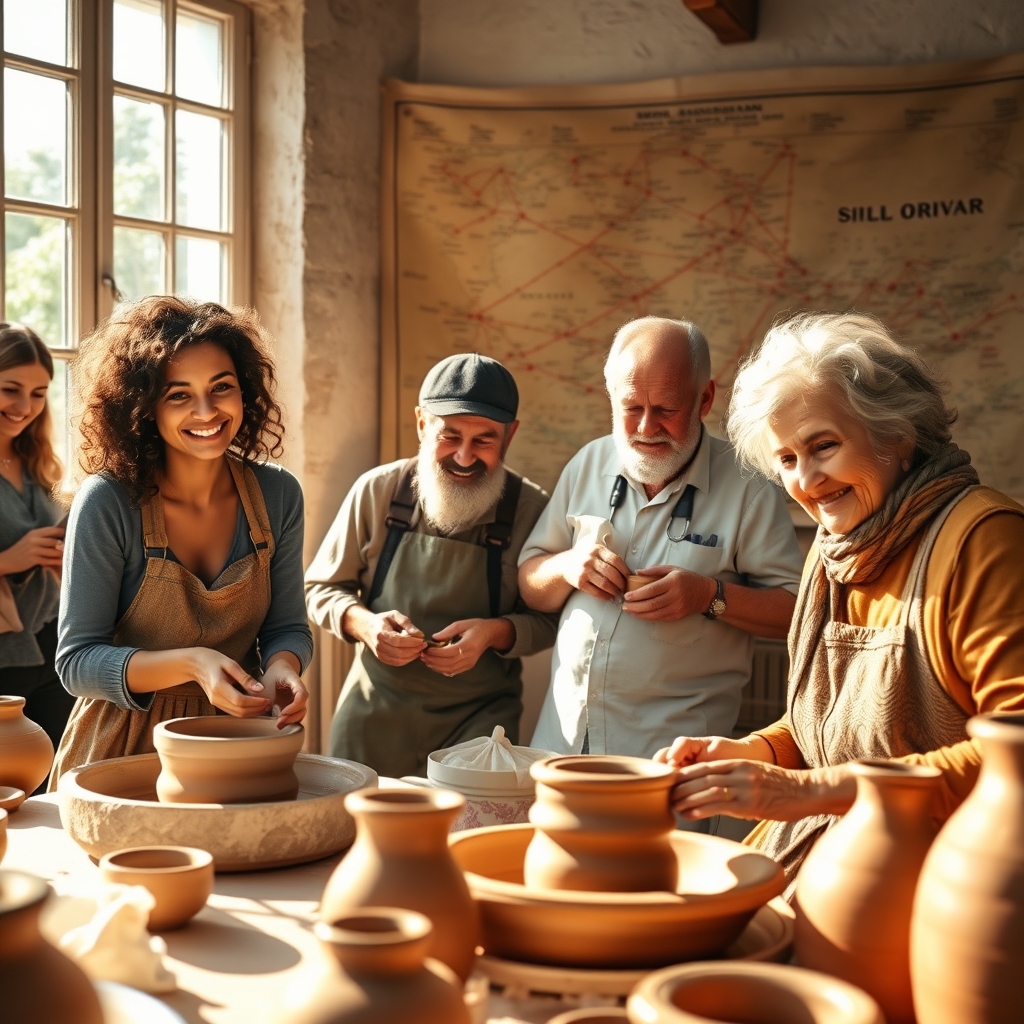
The idea of learning from locals isn’t new, but the depth and diversity of these interactions have evolved dramatically. Today’s travelers aren’t just sampling street food or watching artisans at work—they’re rolling up their sleeves and joining in. In Kyoto, visitors can spend a day with a ninth-generation wagashi (traditional Japanese sweets) maker, crafting delicate confections from scratch. In Oaxaca, they might knead masa alongside Zapotec women, learning the secrets of mole negro passed down through generations. These aren’t just activities; they’re gateways to understanding the soul of a culture.
What makes these workshops so transformative is their ability to turn travel into a two-way exchange. The best hosts don’t just teach—they listen, share stories, and often learn as much from their guests as their guests do from them. This mutual respect fosters connections that transcend language barriers and tourist traps, leaving both parties with a sense of shared humanity.
Crossing Borders, Not Just Visiting Them
While workshops offer a deep dive into local traditions, cross-border expeditions take the concept of immersive travel to a grander scale. These journeys aren’t about rushing from one capital to the next; they’re about tracing the invisible threads that connect neighboring regions, cultures, and histories. Imagine traversing the Silk Road not as a spectator, but as a modern-day merchant, bartering in bazaars, sleeping in caravanserais, and witnessing the ebb and flow of trade that shaped civilizations.
In Europe, multi-country rail passes have long been a favorite among backpackers, but the new wave of cross-border travel is far more intentional. Travelers might follow the Danube River from Germany to Romania, stopping to learn folk dances in Budapest, sample sarmale in Bucharest, and trace the river’s role in shaping the continent’s identity. In Southeast Asia, expeditions could involve navigating the Mekong Delta by boat, meeting with communities whose lives are intertwined with the river’s rhythms, and understanding the delicate balance between tradition and modernity.
These expeditions aren’t just about covering ground; they’re about uncovering the layers of history, politics, and culture that bind regions together. They challenge the notion of borders as rigid divides, instead framing them as porous membranes through which ideas, goods, and people have always flowed.
The Logistics of Immersive Travel
For all their romance, experiential workshops and cross-border expeditions require careful planning. Unlike traditional tours, where itineraries are fixed and surprises are minimized, these journeys thrive on flexibility. Here’s how to navigate the practicalities:
- Research with Intent: Seek out workshops and expeditions led by locals or organizations deeply embedded in the community. Look for transparency about where your money goes—does it support local economies, or does it line the pockets of international operators?
- Embrace the Unknown: Immersive travel often means stepping outside your comfort zone. You might not speak the language, or the itinerary might shift due to weather or local events. Lean into the unpredictability—it’s where the magic happens.
- Pack Light, Pack Smart: Cross-border expeditions often involve multiple modes of transport, from overnight trains to rickety buses. A well-organized, minimalist backpack is your best friend. Prioritize versatility and durability over fashion.
- Connect the Dots: The beauty of these journeys lies in the connections you make between places. Keep a journal, collect maps, or create a digital scrapbook to document how one experience flows into the next. These mementos will become treasures long after the trip ends.
The Ethical Dimension
With the rise of experiential travel comes a responsibility to engage ethically. The line between cultural exchange and exploitation can be thin, and it’s crucial to approach these experiences with humility and respect. Avoid workshops that feel staged or commodified—if the locals seem disinterested or the activity feels like a performance for tourists, it’s likely not authentic. Instead, seek out opportunities where the primary goal is mutual learning, not profit.
Similarly, cross-border expeditions should prioritize sustainability. This means minimizing your environmental footprint, supporting local businesses, and being mindful of the impact your presence has on communities. In some cases, it might mean opting for slower, less convenient modes of transport to reduce emissions or choosing homestays over international hotel chains.
The Future of Travel Is Already Here
The travel industry has spent decades selling us the idea that the world is a collection of destinations to be consumed. But the tide is turning. More travelers are seeking experiences that challenge, educate, and transform them. They want to leave a place not just with photos, but with skills, stories, and a deeper understanding of the world and their place in it.
Experiential local workshops and cross-border expeditions are more than just trends—they’re a response to a growing desire for meaningful connection in an increasingly disconnected world. They remind us that travel isn’t just about seeing new places; it’s about seeing the world through new eyes. And in doing so, they’re redefining what it means to explore, one immersive experience at a time.
As the boundaries between traveler and local continue to blur, the most rewarding journeys will be those that leave us not just with memories, but with a sense of belonging—to a community, a culture, or even a moment in time. The future of travel isn’t about where you go; it’s about how deeply you let the journey change you.