
Epicurean Escapes: How Local Food Tours Are Redefining Domestic Travel in 2024
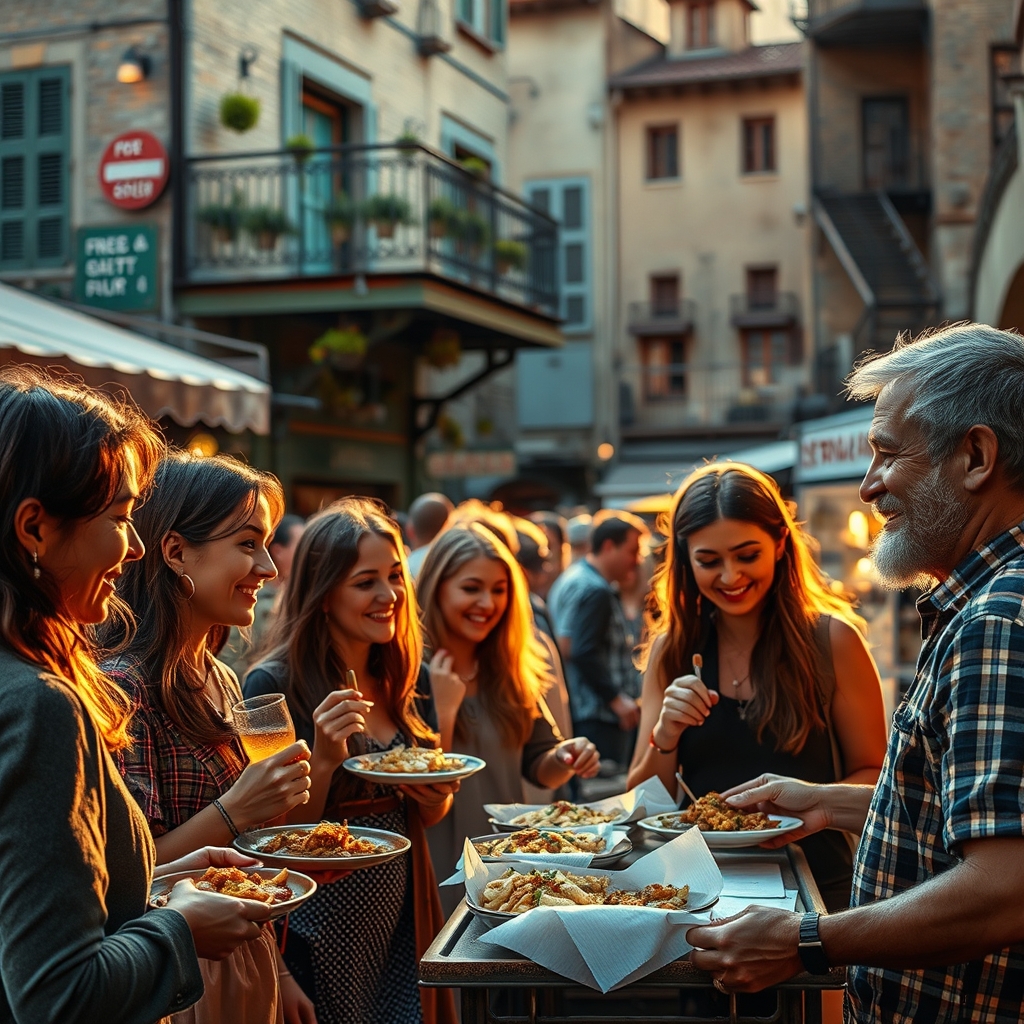
There’s something magical about the way food can transport us—not just across borders, but into the heart of a place. In 2024, domestic travelers are increasingly swapping generic itineraries for immersive culinary experiences that reveal the soul of a destination through its flavors. Local food tours have evolved from simple tastings into full-fledged adventures, blending history, culture, and hands-on creativity. Whether you’re a seasoned foodie or a curious explorer, these experiences offer a delicious way to connect with a region’s identity, one bite at a time.
The Rise of the Culinary Traveler
Gone are the days when travel was solely about checking landmarks off a list. Today’s wanderers crave authenticity, and nothing delivers that quite like food. Local food tours cater to this shift by offering more than just meals—they provide stories. From the spice markets of New Mexico to the seafood shacks of Maine, these tours dive deep into the traditions, techniques, and people behind the cuisine. Guides often double as historians, sharing anecdotes about how a dish evolved or why a particular ingredient became a staple. It’s travel with purpose, where every forkful tells a tale.
What’s driving this trend? For one, social media has turned food into a visual and shareable art form. Travelers no longer just want to eat—they want to photograph, learn, and recreate. Food tours tap into this desire by offering Instagram-worthy moments alongside educational insights. Additionally, the post-pandemic era has reignited a passion for experiential travel. People are prioritizing meaningful connections over passive sightseeing, and food is the perfect medium to foster those connections.
Beyond the Plate: What to Expect on a Modern Food Tour
Today’s food tours are far from the cookie-cutter tastings of the past. They’re dynamic, interactive, and often tailored to niche interests. Here’s what you might encounter:
- Farm-to-Table Immersions: Visit local farms, orchards, or fisheries to see where ingredients originate. Many tours include hands-on activities like picking produce, shucking oysters, or even milking goats. The experience culminates in a meal prepared with the day’s harvest, often by a chef who shares their culinary secrets.
- Cultural Fusion Walks: Explore neighborhoods through the lens of their immigrant communities. In cities like New York, San Francisco, or Houston, you can sample everything from Ethiopian injera to Vietnamese pho, all while learning about the history of the people who brought these flavors to America.
- DIY Workshops: Roll up your sleeves for cooking classes that teach regional specialties. Think gumbo in Louisiana, deep-dish pizza in Chicago, or tamales in Texas. These sessions often include a market visit to source ingredients, followed by a communal meal where you enjoy the fruits of your labor.
- Beverage Pairings: Wine, beer, and spirits tours are getting a makeover. Instead of just tasting, you might tour a vineyard with a sommelier, learn the art of beer brewing from a craft brewer, or mix cocktails with a local mixologist. Some tours even pair drinks with regional snacks for a full sensory experience.
- Hidden Gem Hunts: Skip the tourist traps and discover off-the-radar eateries loved by locals. These tours often focus on family-owned businesses, historic diners, or pop-up markets that embody the spirit of a place. The best part? You’ll leave with a list of spots to revisit long after the tour ends.
Top Domestic Destinations for Food Tour Enthusiasts
Not all food tours are created equal. Some destinations stand out for their unique culinary scenes and the depth of their offerings. Here are a few worth adding to your travel list:
New Orleans, Louisiana: A Feast for the Senses
New Orleans is a food lover’s paradise, where Creole, Cajun, and French influences collide in a symphony of flavors. Food tours here go beyond beignets and gumbo—though those are must-tries. Opt for a French Quarter walking tour that includes stops at historic restaurants like Antoine’s, where you can sample dishes that have been perfected over generations. For something more hands-on, book a cooking class at the New Orleans School of Cooking, where you’ll learn to make jambalaya, étouffée, and pralines from scratch. Don’t miss a po’boy crawl, where you’ll compare the city’s best versions of this iconic sandwich.
Portland, Oregon: Where Farm-to-Table Meets Quirk
Portland’s food scene is a playground for the adventurous eater. The city’s commitment to sustainability and local sourcing makes it a prime destination for farm-to-table tours. Start with a visit to the Portland Farmers Market, one of the largest in the country, where you can sample artisanal cheeses, fresh berries, and handmade chocolates. Then, join a tour that explores the city’s famous food carts—there are over 600 of them, serving everything from Korean-Mexican fusion to vegan comfort food. For a unique twist, book a beer-and-bites tour that pairs local brews with small plates from the city’s top chefs.
Santa Fe, New Mexico: A Journey Through Southwestern Flavors
Santa Fe’s culinary scene is a vibrant mix of Native American, Spanish, and Mexican influences. Food tours here often begin with a visit to the Santa Fe Farmers Market, where you can sample green chile, blue corn tortillas, and piñon nuts. From there, dive into the city’s historic Plaza, where restaurants like The Shed serve up classic New Mexican dishes like red chile enchiladas. For a deeper dive, book a tour that includes a visit to a Pueblo village, where you can learn about traditional cooking methods and enjoy a meal prepared with ancient techniques. Don’t leave without trying a sopapilla, a puffy fried bread that’s a staple of the region.
Charleston, South Carolina: Lowcountry Cuisine at Its Finest
Charleston’s food scene is a love letter to the Lowcountry, where seafood, rice, and fresh produce take center stage. Food tours here often focus on the city’s historic ties to Southern cuisine. Start with a walking tour of the French Quarter, where you can sample she-crab soup, shrimp and grits, and benne wafers. For a more immersive experience, book a tour that includes a visit to a local plantation, where you can learn about the Gullah-Geechee culture and its influence on Southern cooking. Many tours also include a stop at a local distillery or brewery, where you can sample spirits made with regional ingredients like peaches or pecans.
How to Choose the Right Food Tour for You
With so many options, how do you pick the perfect food tour? Start by considering your interests. Are you a history buff? Look for tours that focus on the cultural significance of dishes. More of a hands-on learner? Opt for a cooking class or farm visit. Budget is another factor—while some tours are pricey, others offer affordable group rates or discounts for booking online. Read reviews to gauge the quality of the guides and the authenticity of the experience. Finally, don’t be afraid to reach out to the tour operator with questions. The best ones will be happy to tailor the experience to your preferences.
Timing is also key. Many food tours are seasonal, offering different experiences depending on the time of year. For example, a summer tour in Portland might focus on berry picking and fresh seafood, while a winter tour could highlight hearty stews and holiday treats. If you’re traveling with dietary restrictions, make sure to choose a tour that can accommodate your needs. Many operators offer vegetarian, vegan, or gluten-free options, but it’s always best to confirm in advance.
Food tours are more than just a way to eat your way through a destination—they’re a gateway to understanding its people, history, and culture. Whether you’re exploring the spice markets of Santa Fe or the food carts of Portland, these experiences offer a deeper connection to the places you visit. They remind us that travel isn’t just about seeing new sights; it’s about tasting, touching, and truly experiencing the world around us. So the next time you plan a trip, skip the generic guidebook and let your taste buds lead the way. You might just discover that the best stories are the ones you savor.