
The Rise of Converted Historical Stays: Where Timeless Charm Meets Modern Comfort
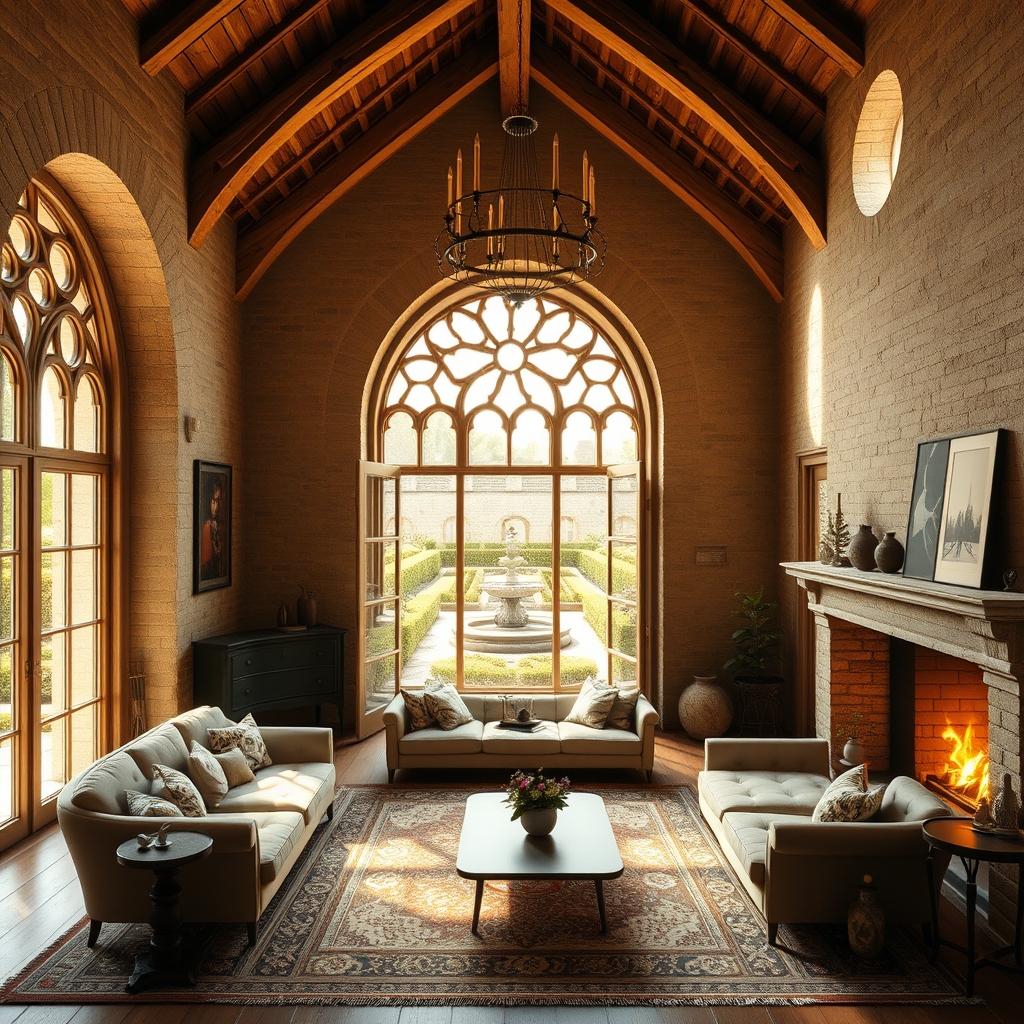
In an era where travelers crave authenticity and a deeper connection to the places they visit, converted historical stays have emerged as a compelling alternative to conventional hotels. These unique accommodations—once castles, monasteries, warehouses, or even old schools—have been meticulously transformed into luxurious yet soulful retreats. They offer more than just a place to rest; they provide an immersive experience, blending the grandeur of the past with the comforts of modern living. For those seeking to step off the beaten path and into a story, these stays are the perfect gateway to a richer, more meaningful journey.
The Allure of History Reimagined
What makes converted historical stays so captivating is their ability to transport guests through time. Imagine waking up in a 12th-century castle in Tuscany, where the stone walls whisper tales of medieval knights and noble feasts. Or perhaps spending the night in a former silk factory in Lisbon, where the soaring ceilings and exposed beams hint at the city’s industrial past. These spaces are not just buildings; they are living museums, each with its own narrative waiting to be discovered.
The transformation of these structures into accommodations is often a labor of love. Architects and designers work tirelessly to preserve original features—think vaulted ceilings, frescoes, or hand-carved wooden doors—while seamlessly integrating modern amenities. The result is a harmonious blend of old and new, where guests can enjoy high-speed Wi-Fi and rainfall showers without sacrificing the charm of a bygone era. It’s this balance that makes historical stays so irresistible to travelers who refuse to compromise on either comfort or character.
From Monasteries to Mansions: A World of Possibilities
The variety of converted historical stays is as vast as the history they represent. In Europe, former monasteries and convents have been reborn as serene retreats, offering a sense of tranquility that’s hard to find elsewhere. Spain’s Parador hotels, for example, are a collection of historic buildings—including castles, palaces, and monasteries—that have been converted into state-run luxury lodgings. Each Parador tells a story, whether it’s the Parador de Granada, set within a 15th-century Moorish palace, or the Parador de Santiago de Compostela, a 15th-century hospital turned hotel along the Camino de Santiago pilgrimage route.
Across the Atlantic, the trend has taken root in unexpected ways. In the United States, old firehouses, lighthouses, and even prisons have been given new life as boutique hotels. The Liberty Hotel in Boston, for instance, was once the Charles Street Jail, a historic landmark that now boasts a stunning atrium lobby and luxurious guest rooms. Meanwhile, in Asia, traditional machiya townhouses in Kyoto have been converted into intimate guesthouses, offering travelers a taste of Japan’s Edo-period architecture and culture.
For those with a taste for the unconventional, there are even more unusual options. How about a night in a former train station in India, where the platform has been transformed into a chic café? Or a stay in a windmill in the Netherlands, where the rotating blades have been replaced with panoramic views of the countryside? The possibilities are endless, and each stay promises a one-of-a-kind experience that can’t be replicated in a standard hotel.
The Practical Perks of Staying in History
Beyond their undeniable charm, converted historical stays offer practical advantages that appeal to modern travelers. Many of these properties are located in the heart of historic districts, providing easy access to cultural landmarks, local markets, and authentic dining experiences. Staying in a converted monastery in Italy, for example, might mean being just steps away from a centuries-old piazza or a family-run trattoria serving recipes passed down through generations.
Additionally, these stays often come with a level of service and attention to detail that’s hard to match. Because they are typically smaller than chain hotels, they can offer a more personalized experience, with staff who are passionate about sharing the history and stories of the property. Some even provide guided tours or curated experiences, such as cooking classes with local chefs or private viewings of historic artifacts within the building.
For travelers concerned about sustainability, converted historical stays also offer an eco-friendly alternative to new construction. By repurposing existing structures, these properties minimize their environmental impact while preserving the architectural heritage of their surroundings. Many have also adopted green practices, such as using renewable energy sources, implementing water-saving measures, and sourcing locally produced goods for their restaurants and spas.
How to Find the Perfect Historical Stay
With so many options available, choosing the right converted historical stay can feel overwhelming. The key is to consider what kind of experience you’re seeking. Are you looking for a romantic getaway in a castle? A peaceful retreat in a former monastery? Or perhaps an urban adventure in a repurposed industrial space? Once you’ve identified your preferences, you can narrow down your search using specialized booking platforms that focus on unique accommodations, such as Airbnb’s “Unique Stays” collection or Booking.com’s “Historic Hotels” category.
It’s also worth doing some research on the history of the property itself. Many converted stays have fascinating backstories that can add depth to your experience. For example, the Hotel de la Cité in Carcassonne, France, is set within a medieval fortress and was once a stronghold of the Cathars, a religious group persecuted during the Albigensian Crusade. Knowing these details can make your stay feel even more special, as if you’re not just a guest but a temporary custodian of history.
When planning your trip, consider the location’s off-season as well. Many historical stays are in destinations that are less crowded during certain times of the year, offering a more intimate and authentic experience. For instance, visiting a converted castle in Scotland during the autumn months means fewer tourists and a chance to enjoy the property’s cozy fireplaces and dramatic landscapes without the summer crowds.
Making the Most of Your Stay
To truly immerse yourself in the experience, take the time to explore the property’s history and surroundings. Many converted stays offer guided tours or have on-site museums where you can learn about the building’s past. Engage with the staff—they often have insider knowledge and can recommend hidden gems in the area that you might otherwise miss.
Don’t be afraid to venture beyond the property, either. Historical stays are often located in regions rich with culture and tradition, so take advantage of the opportunity to explore local markets, attend festivals, or participate in workshops. Whether it’s a pottery class in a Tuscan village or a traditional tea ceremony in a Kyoto machiya, these experiences can enrich your journey and create lasting memories.
As travel continues to evolve, the demand for meaningful and immersive experiences grows stronger. Converted historical stays offer a rare opportunity to step into the past while enjoying the comforts of the present. They remind us that travel is not just about seeing new places but about connecting with the stories, people, and traditions that make each destination unique. Whether you’re drawn to the grandeur of a castle, the serenity of a monastery, or the industrial chic of a repurposed factory, these stays invite you to slow down, savor the moment, and write your own chapter in their timeless narrative.