
Whispers of the Countryside: Unveiling the Charm of Multi-Province Heritage Trails
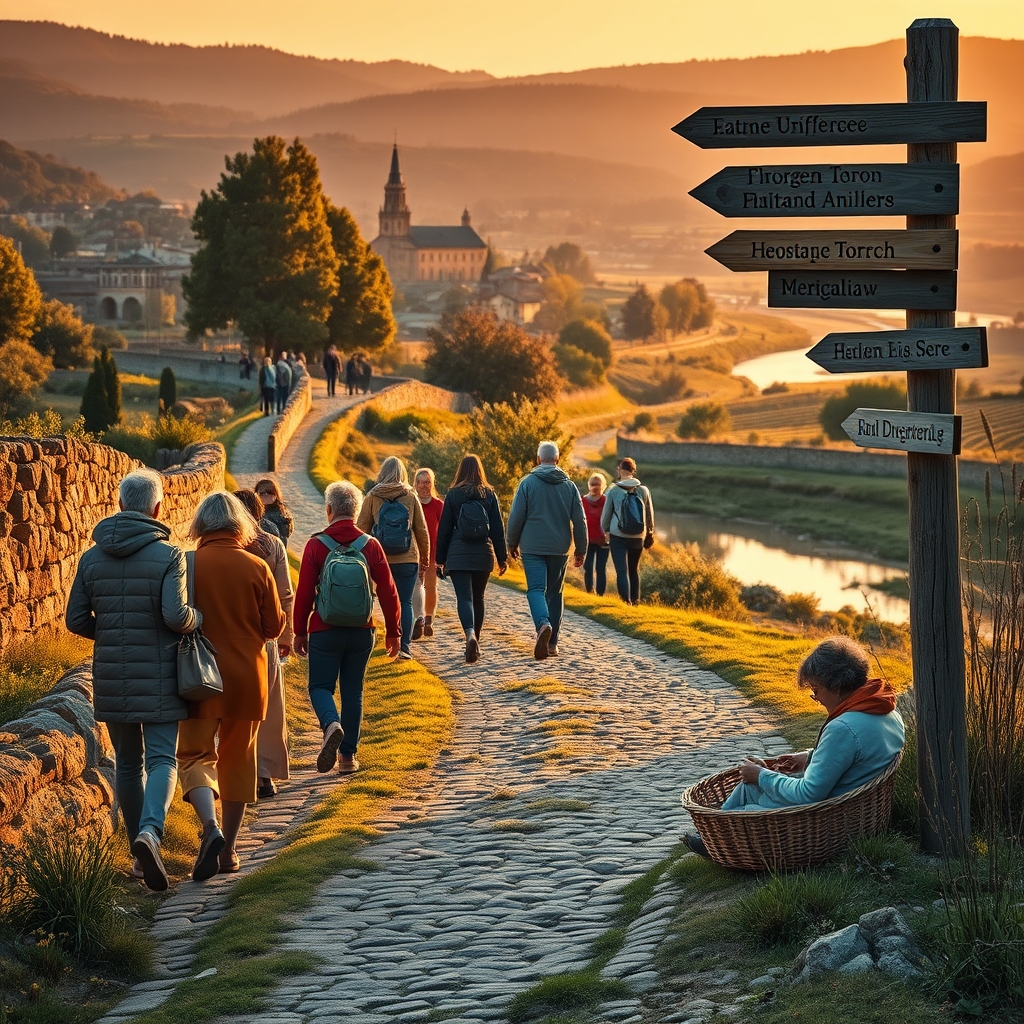
There’s a quiet magic in the roads less traveled, where the hum of daily life fades into the rustle of ancient trees and the murmur of rivers that have carved their stories into the land over centuries. Multi-province heritage trails offer more than just a journey—they unfold as living tapestries of culture, history, and natural beauty, stitching together the soul of regions often overlooked by the hurried traveler. These paths are not just routes; they are corridors of time, inviting explorers to step into the footsteps of those who came before, to taste, touch, and truly *live* the essence of a place.
The Allure of the Uncharted
While viral hotspots clamor for attention with their neon signs and crowded viewpoints, heritage trails thrive in the quietude of authenticity. They meander through villages where time moves at the pace of a farmer’s plow, where the scent of freshly baked bread mingles with the earthy aroma of rain-soaked soil. These trails are not about ticking off landmarks but about immersing oneself in the rhythm of local life. Imagine walking through the rolling hills of Tuscany’s lesser-known Val d’Orcia, where medieval abbeys stand sentinel over vineyards, or tracing the Silk Road’s remnants in Central Asia, where caravanserais whisper tales of merchants and mystics. The allure lies in the unexpected—the roadside shrine adorned with wildflowers, the elderly artisan weaving baskets under a gnarled olive tree, the impromptu invitation to share a meal in a family’s courtyard.
Mapping the Invisible Threads
Heritage trails are more than physical paths; they are narratives waiting to be discovered. Many regions have begun mapping these invisible threads, creating routes that connect historical sites, cultural landmarks, and natural wonders in a way that tells a cohesive story. In Japan, the Shikoku Pilgrimage winds through 88 temples, each with its own legends and spiritual significance, while in Mexico, the Ruta del Peregrino retraces the footsteps of pilgrims journeying to the sanctuary of the Virgin of Talpa. These trails are often designed to be explored slowly, encouraging travelers to linger, engage, and reflect. They are not just for hikers but for anyone with a curiosity for the past and a desire to see how it shapes the present.
Technology has become an unlikely ally in this exploration. Interactive maps, augmented reality apps, and audio guides bring these trails to life, offering layers of context that deepen the experience. Imagine standing before a crumbling castle ruin and, through your phone, watching it rebuild itself in a 3D animation, complete with the sounds of clashing swords and the chatter of a bustling medieval market. These tools don’t detract from the authenticity of the journey; they enhance it, bridging the gap between then and now.
The Rhythm of Regional Flavors
No heritage trail is complete without the flavors that define its regions. Food is the heartbeat of culture, and these journeys offer a chance to savor dishes that have been perfected over generations. In the Balkans, a multi-country trail might lead you from the smoky ćevapi of Bosnia to the tangy shopska salad of Bulgaria, each bite a testament to the region’s layered history. In India, the Spice Route traces the ancient trade paths that brought cardamom, pepper, and turmeric to the world, with stops at spice markets where vendors share recipes passed down through centuries.
These culinary experiences are often intimate, far removed from the touristy restaurants lining main squares. They happen in family-run trattorias, roadside stalls, or even in the homes of locals who open their doors to travelers. Cooking classes along these trails offer another layer of immersion, teaching not just recipes but the stories behind them—the grandmother’s secret ingredient, the festival dish that’s only made once a year, the way a particular spice arrived in the region centuries ago. Food becomes a language, a way to connect across cultures and time.
Beyond the Plate: The Craft of Tradition
Heritage trails also shine a light on the artisans who keep traditional crafts alive. In Portugal’s Rota do Vidro (Glass Route), travelers can visit workshops where glassblowers shape molten sand into delicate pieces, their techniques unchanged since the 18th century. In Peru, the Ruta del Barro (Clay Route) introduces visitors to potters who mold clay into vessels just as their ancestors did, their hands guided by muscle memory and ancestral knowledge. These encounters are not just about purchasing souvenirs; they are about witnessing the preservation of skills that might otherwise vanish in a world of mass production.
Many of these artisans are eager to share their craft, offering workshops where travelers can try their hand at weaving, blacksmithing, or even traditional dyeing techniques. These experiences foster a deeper appreciation for the time and skill involved in creating something by hand. They also provide a tangible connection to the past—a way to touch history, quite literally.
The Journey as the Destination
One of the most compelling aspects of multi-province heritage trails is the way they turn the journey itself into the destination. Unlike traditional travel, where the focus is on reaching a single endpoint, these trails celebrate the act of moving through a landscape, of letting the road unfold organically. Scenic bus routes, overnight train journeys, and coastal drives become part of the adventure, each mode of transport offering a unique perspective. A train rattling through the Swiss Alps reveals vistas that a car might miss, while a slow boat along the Mekong Delta immerses travelers in the daily life of riverside communities.
Overnight train journeys, in particular, evoke a sense of nostalgia and romance. There’s something inherently magical about falling asleep in one place and waking up in another, the landscape outside the window shifting from urban sprawl to rolling countryside. These journeys harken back to a golden age of travel, where the getting there was as important as the being there. They also offer a sustainable alternative to short-haul flights, reducing carbon footprints while maximizing the experience.
For those who prefer the open road, coastal drive itineraries provide the freedom to explore at one’s own pace. The Wild Atlantic Way in Ireland, for example, winds along some of the most dramatic seascapes in the world, with stops at ancient stone forts, hidden beaches, and cozy pubs where traditional music spills into the night. These drives are not about speed but about savoring the moments in between—the detour to a secluded cove, the spontaneous conversation with a fisherman mending his nets, the way the light changes as the sun dips below the horizon.
Heritage trails remind us that travel is not just about seeing new places but about feeling them, about letting the stories of the land seep into our bones. They teach us that the most profound experiences often lie just beyond the well-trodden path, in the quiet corners where history and culture breathe. Whether it’s the crunch of gravel underfoot on a mountain corridor trek or the warmth of a shared meal in a stranger’s home, these journeys leave imprints that linger long after the suitcase is unpacked. They are invitations to slow down, to listen, and to let the world reveal itself in its own time, one step at a time.