The Art of Slow Travel: Exploring Neighboring States Through Scenic Bus Routes and Local Flavors
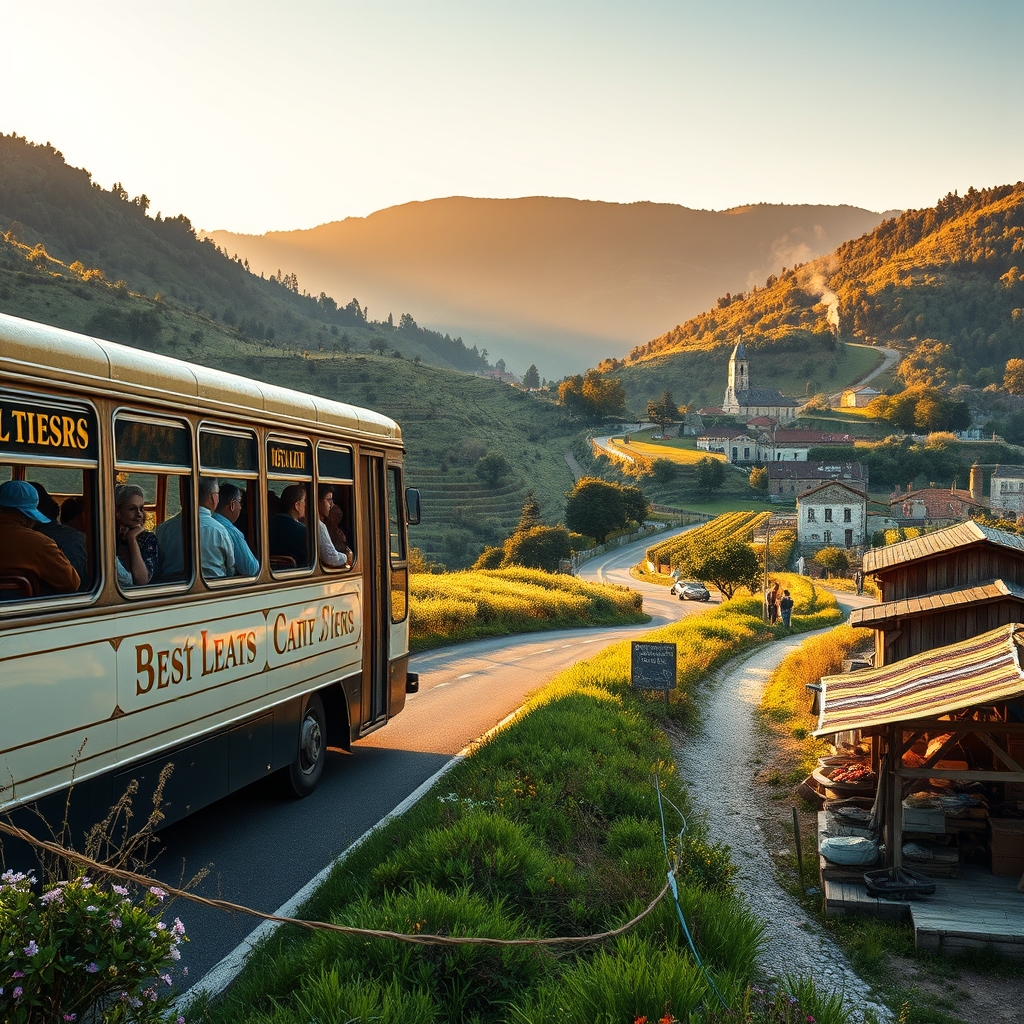
There’s a quiet revolution happening in the way we travel—one that trades the frenetic pace of viral hotspots for the unhurried rhythm of regional exploration. While short-haul flights and overnight trains often steal the spotlight, some of the most enriching journeys unfold along lesser-known scenic bus routes that weave through neighboring states. These routes are more than just a means of getting from point A to B; they’re a gateway to immersive cultural experiences, hidden culinary treasures, and landscapes that shift with every winding turn of the road.
The Unseen Charm of Scenic Bus Routes
Scenic bus routes are the unsung heroes of regional travel, offering a front-row seat to the evolving tapestry of a region’s geography and culture. Unlike highways that prioritize speed, these routes often meander through rural heartlands, coastal villages, and mountain corridors, revealing stories that guidebooks overlook. In Southeast Asia, for instance, the Golden Triangle route connecting Thailand, Laos, and Myanmar is a masterclass in cross-border storytelling, where each stop introduces travelers to hill tribe markets, riverside temples, and roadside stalls serving dishes that have been perfected over generations.
Europe’s Romantic Road in Germany is another prime example, where buses traverse medieval towns like Rothenburg ob der Tauber and the vineyard-draped hills of Franconia. The journey isn’t just about the destinations; it’s about the pauses—the farmer’s market in a sleepy Bavarian village, the impromptu conversation with a local cheesemaker, or the way the light filters through the autumn leaves as the bus climbs into the Alps. These moments accumulate into a travel experience that feels deeply personal, far removed from the curated perfection of social media feeds.
Regional Food as a Compass
One of the most compelling reasons to explore neighboring states by bus is the opportunity to let regional food guide the journey. Every state, province, or district has its own culinary identity, shaped by history, climate, and the ingenuity of its people. In India, a bus ride from Punjab to Rajasthan might introduce you to the smoky flavors of tandoori meats in Amritsar before transitioning to the sweet and spicy dal baati churma of Jaipur. The bus becomes a moving feast, with roadside dhabas and family-run eateries serving as pit stops for culinary discovery.
In Mexico, the Ruta del Queso y el Vino (Cheese and Wine Route) in Querétaro and Guanajuato offers a similar adventure. Buses connect small towns like Tequisquiapan and San Miguel de Allende, where travelers can sample artisanal cheeses aged in volcanic caves or sip on wines produced from grapes grown in the region’s high-altitude vineyards. These flavors aren’t just sustenance; they’re a narrative of the land and its people, a story told through every bite and sip.
Multi-Destination Passes: The Traveler’s Secret Weapon
For those who want to maximize their regional exploration, multi-destination passes are a game-changer. These passes, often offered by bus or rail companies, allow travelers to hop on and off at various stops along a route, creating a flexible itinerary that adapts to curiosity rather than rigid schedules. In Japan, the Seishun 18 Ticket is a budget-friendly option that grants unlimited travel on local trains for five days, encouraging travelers to explore the countryside beyond Tokyo and Kyoto. Imagine disembarking in a town like Takayama, where wooden merchant houses line the streets and sake breweries offer tastings, or venturing to the coastal city of Kanazawa to witness the artistry of gold leaf craftsmanship.
Similarly, in South America, the Andes Transit Pass connects Argentina, Chile, and Peru, allowing travelers to traverse the Atacama Desert, the vineyards of Mendoza, and the Sacred Valley of the Incas—all at their own pace. These passes don’t just save money; they encourage a slower, more intentional style of travel, where the journey itself becomes the destination.
Beyond the Tourist Trail: Non-Viral Hotspots
In an era where social media dictates travel trends, there’s something profoundly liberating about visiting places that haven’t been overrun by influencers. Neighboring states often harbor these non-viral hotspots—towns, villages, and natural wonders that remain blissfully under the radar. A bus ride from Hanoi to the northern mountains of Vietnam might lead you to Bac Ha, a town known for its Sunday market where Flower Hmong women in vibrant traditional dress barter handwoven textiles and fresh produce. Or, in Portugal, a detour from Lisbon to the Alentejo region could reveal the cork oak forests of Monsaraz, where the pace of life slows to match the rhythm of the countryside.
These places offer more than just photo opportunities; they provide a chance to engage with communities on their own terms. Whether it’s joining a local festival in a small Italian village or learning traditional weaving techniques from a Peruvian artisan, the connections forged in these settings are often the most memorable part of the journey. They remind us that travel isn’t just about seeing new places—it’s about seeing the world through new eyes.
Seasonal Shifts and Off-Peak Adventures
One of the greatest advantages of exploring neighboring states by bus is the ability to adapt to seasonal shifts. While peak travel seasons often mean crowded attractions and inflated prices, off-peak road trips reveal a different side of a region. In autumn, the bus routes of New England transform into a kaleidoscope of red, orange, and gold, with roadside apple orchards and pumpkin patches inviting travelers to linger. In spring, the cherry blossom routes of Japan offer a fleeting but breathtaking spectacle, with buses winding through rural landscapes dotted with pink blooms.
Off-peak travel also means fewer tourists, allowing for a more authentic experience. In Croatia, a winter bus ride along the Dalmatian Coast reveals a quieter, more introspective side of the region, where medieval towns like Trogir and Šibenik are free from summer crowds. The slower pace of off-peak travel encourages deeper exploration—perhaps a detour to a family-run olive oil press or a hidden beach accessible only by a winding coastal road.
Traveling through neighboring states by bus is an invitation to slow down, to notice the details that are often missed when rushing from one attraction to the next. It’s a reminder that the most meaningful journeys aren’t always the ones that cover the most ground, but the ones that allow us to connect with the places and people we encounter along the way. Whether it’s the taste of a dish that’s been perfected over generations, the warmth of a conversation with a stranger, or the quiet beauty of a landscape unfolding outside the window, these are the moments that linger long after the journey ends.