
Silent Sanctuaries and Digital Detox: The Rise of Mindful Travel Retreats
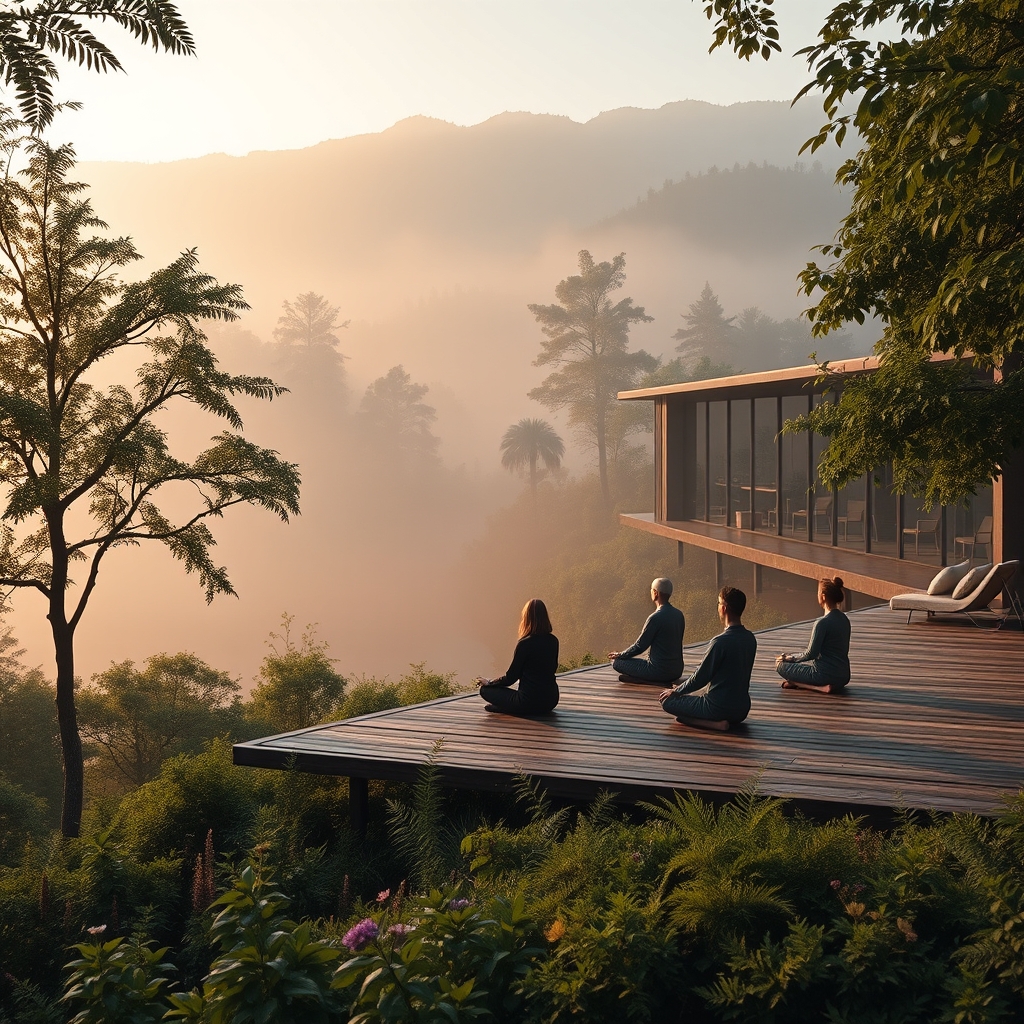
The modern traveler is no longer satisfied with mere sightseeing or ticking off bucket-list destinations. Instead, a growing number of wanderers are seeking experiences that nourish the soul, quiet the mind, and reconnect them with the present moment. Enter the era of silent travel sanctuaries—remote, tech-free retreats designed to help travelers unplug, unwind, and rediscover the art of stillness in a hyper-connected world.
The Philosophy Behind Silent Travel
Silent travel isn’t just about staying in a quiet place; it’s a deliberate practice of mindfulness, often rooted in ancient traditions like meditation, yoga, and monastic living. These sanctuaries offer structured programs where silence is not just encouraged but woven into the fabric of the experience. From Vipassana meditation centers in India to Zen monasteries in Japan, travelers are immersing themselves in environments where the absence of noise becomes a catalyst for inner clarity.
What makes these retreats so compelling is their ability to strip away the distractions of daily life. Without the constant ping of notifications, the pressure of social media, or even the chatter of fellow travelers, participants are left with nothing but their thoughts—an increasingly rare luxury in today’s fast-paced world. Studies have shown that periods of silence can reduce stress, improve focus, and even enhance creativity, making these retreats not just a getaway but a form of self-care.
Where to Find the World’s Best Silent Sanctuaries
For those ready to embrace the silence, the options are as diverse as they are transformative. In the misty hills of Chiang Mai, Thailand, the Wat Suan Dok monastery offers meditation retreats where participants live alongside monks, following a strict schedule of mindfulness practices. Meanwhile, in the heart of the Tuscan countryside, La Verna Sanctuary provides a serene escape with its silent walking trails and guided contemplation sessions.
In the United States, Spirit Rock Meditation Center in California blends silent retreats with teachings from Buddhist traditions, while Blue Cliff Monastery in New York offers weekend getaways focused on mindful eating and breathing exercises. For those seeking a more immersive experience, Plum Village in France, founded by the late Zen master Thich Nhat Hanh, remains one of the most renowned destinations for silent retreats, where participants engage in walking meditations, deep listening, and communal silence.
The Digital Detox Movement: Unplugging to Reconnect
Silent sanctuaries are just one facet of a broader trend: the digital detox. As remote work blurs the lines between professional and personal life, travelers are increasingly seeking destinations that enforce a break from screens. Eco-luxury lodges like Nihi Sumba in Indonesia and Six Senses Laamu in the Maldives have introduced “no Wi-Fi” zones, encouraging guests to swap their devices for journaling, stargazing, or simply soaking in the natural surroundings.
These retreats often pair their tech-free policies with wellness programs designed to reset both body and mind. Think sunrise yoga sessions on secluded beaches, sound baths under the stars, or forest bathing in ancient woodlands. The goal isn’t just to escape technology but to rediscover the joy of being fully present—whether that means savoring a meal without photographing it, engaging in a conversation without checking your phone, or simply lying in a hammock and listening to the wind.
How to Choose the Right Silent Retreat for You
Not all silent retreats are created equal, and the right one for you depends on your goals and comfort level. Beginners might prefer a structured program with guided meditations and clear instructions, such as those offered by Insight Meditation Society in Massachusetts. More experienced practitioners, on the other hand, may seek the solitude of a solo retreat, like those available at Dhamma Giri in India, where silence is absolute, and participants are encouraged to explore their inner landscapes without external guidance.
It’s also worth considering the setting. Mountain retreats, like Tassajara Zen Mountain Center in California, offer a sense of isolation and grandeur, while coastal sanctuaries, such as Kamalaya in Thailand, provide a soothing backdrop of waves and salt air. For those who struggle with the idea of complete silence, some retreats offer a middle ground—noble silence during meals and meditation sessions, with opportunities for gentle conversation during designated times.
The Future of Mindful Travel
As the demand for silent sanctuaries and digital detox retreats grows, so too does the creativity of the experiences on offer. Some retreats are now blending silence with adventure, such as silent hiking expeditions in Patagonia or mindful surfing camps in Costa Rica, where participants are encouraged to ride the waves with full awareness. Others are incorporating elements of sustainability, like eco-silent retreats that combine off-grid living with permaculture workshops, allowing travelers to disconnect from technology while reconnecting with the earth.
For the modern traveler, these retreats represent more than just a trend—they’re a response to the overwhelming noise of contemporary life. In a world where we’re constantly bombarded with information, silent sanctuaries offer a rare opportunity to pause, reflect, and remember what it means to simply be. Whether you’re a seasoned meditator or a curious first-timer, the invitation is the same: step away from the chaos, embrace the stillness, and discover what lies beneath the surface of your own mind. The journey inward, it turns out, might just be the most transformative adventure of all.