The Art of Slow Travel: Rediscovering America’s Regional Drive Markets and Local Flavors
There’s a quiet magic in trading crowded airports and rigid itineraries for the open road, where the journey itself becomes part of the destination. Slow travel isn’t just about reaching a place—it’s about savoring the moments in between, the unexpected detours, and the stories that unfold along the way. For those seeking a deeper connection to the places they visit, regional drive markets and local food tours offer an immersive way to experience the heart of a region, one bite and one conversation at a time.
The Rise of the Roadside Market
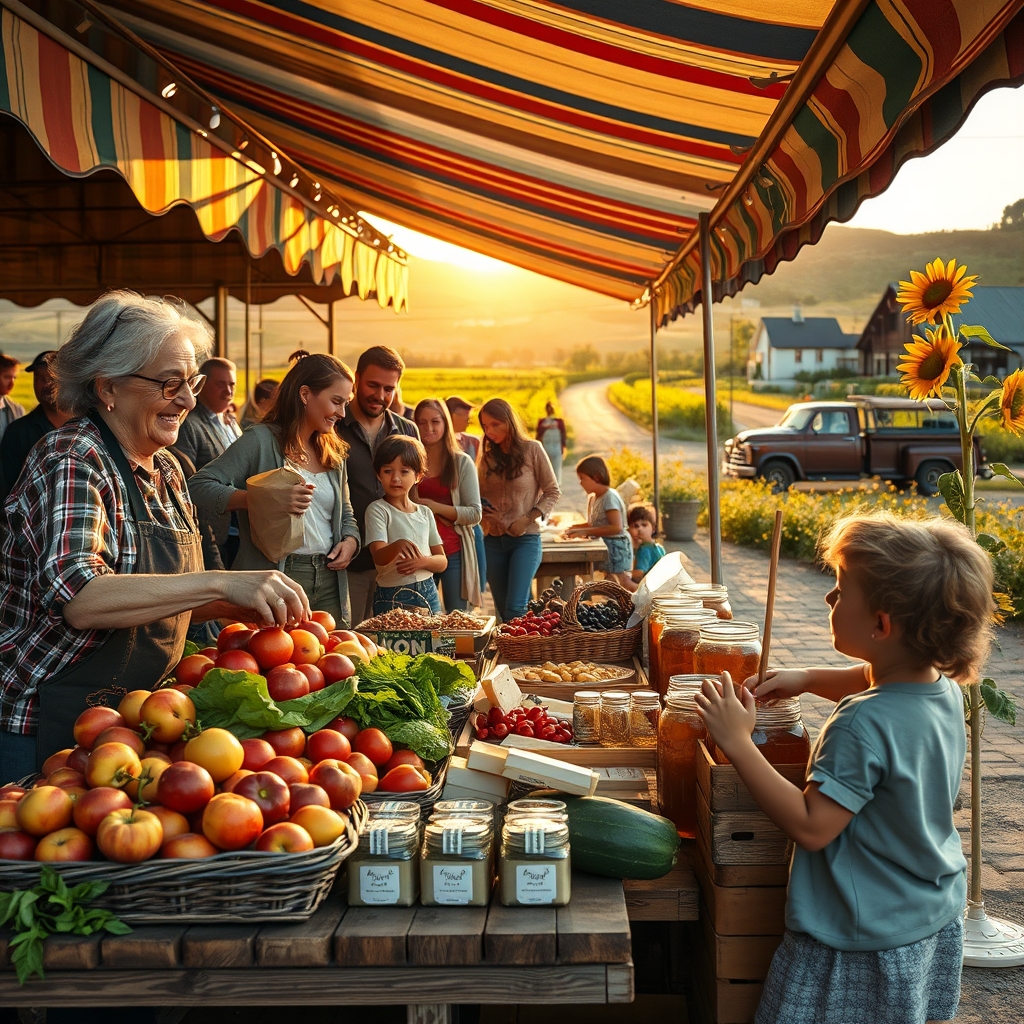
Farmers’ markets, roadside stands, and artisanal bazaars have long been the lifeblood of small towns and rural communities. But in recent years, they’ve evolved into must-visit destinations for travelers craving authenticity. Unlike generic tourist traps, these markets are where locals gather, where generations-old recipes are shared, and where the season’s first peaches or the last pumpkins of autumn become a celebration. The best part? They’re often just a short drive from major cities, making them perfect for weekend getaways or even last-minute staycations.
Take, for example, the Eastern Market in Detroit, one of the oldest and largest year-round markets in the U.S. Here, you’ll find everything from Michigan-made maple syrup to handcrafted pottery, all while soaking in the vibrant energy of the city’s historic district. Or consider the Ferry Plaza Farmers Market in San Francisco, where the scent of sourdough bread mingles with the salty breeze off the bay, and vendors proudly display heirloom tomatoes and artisanal cheeses. These markets aren’t just places to shop—they’re living museums of regional culture.
How to Find Hidden Market Gems
Not all drive markets are created equal, and the best ones often require a little digging. Start by researching the agricultural calendar of your destination. Strawberry season in Florida, apple picking in Vermont, or lavender harvests in Washington State can turn a simple market visit into a full sensory experience. Apps like LocalHarvest or Farmstand are invaluable for locating smaller, off-the-radar markets that might not appear on mainstream travel guides.
Another pro tip: Ask locals for recommendations. Whether it’s the diner waitress in a small-town café or the innkeeper at your bed-and-breakfast, the people who live in the area will know where to find the best honey, the freshest oysters, or the most unique handmade crafts. Many markets also host special events, like live music, cooking demonstrations, or seasonal festivals, which can add an extra layer of enjoyment to your visit.
Food Tours: A Feast for the Senses
If markets are the appetizer, then local food tours are the main course. These guided experiences take you beyond the typical restaurant scene, introducing you to the flavors, history, and people that define a region’s culinary identity. From New Orleans’ Creole spice trails to Portland’s food cart culture, these tours offer a behind-the-scenes look at how food shapes communities—and how communities shape food.
One of the most rewarding aspects of a food tour is the opportunity to meet the makers. In Charleston, South Carolina, for instance, a tour might include a stop at a family-run benne seed (sesame) farm, where you’ll learn about the crop’s African roots and its role in Lowcountry cuisine. In Santa Fe, New Mexico, you might visit a Pueblo-owned chile farm, where the smoky scent of roasting peppers fills the air, and the farmers share stories passed down through generations. These encounters turn a simple meal into a cultural exchange.
Designing Your Own Food Tour
Not all food tours require a guide. With a little research, you can curate your own culinary adventure. Start by identifying the signature dishes or ingredients of your destination. In Maine, that might mean a lobster roll crawl, sampling buttery, briny bites from different shacks along the coast. In Texas, it could be a barbecue pilgrimage, where each pitmaster’s secret rub or smoking technique offers a new perspective on brisket.
Don’t forget to explore the beverage scene, too. Wine trails in Napa Valley or Finger Lakes, craft brewery tours in Asheville, North Carolina, or even a coffee roastery hop in Seattle can add depth to your food tour. Many regions also offer “passport” programs, where you collect stamps or stickers at participating businesses, often with discounts or freebies as rewards. It’s a fun way to track your journey and support local businesses.
Beyond the Plate: The Stories Behind the Food
What makes regional drive markets and food tours so special is their ability to tell stories. Every jar of jam, every loaf of bread, every cup of coffee carries with it the history of the land and the people who cultivated it. In Louisiana’s Cajun Country, a visit to a roadside boudin stand might lead to a conversation about Acadian migration and the blending of French, African, and Native American culinary traditions. In Hawaii, a farmers’ market could introduce you to taro farmers preserving ancient Polynesian farming techniques.
These stories are what transform a simple trip into a meaningful experience. They remind us that travel isn’t just about seeing new places—it’s about understanding them. And there’s no better way to do that than through food, which is, after all, a universal language.
So the next time you’re planning a domestic getaway, consider slowing down and letting the road lead you to the heart of a region. Whether it’s a sunrise visit to a farmers’ market, a leisurely afternoon spent sampling local cheeses, or a spontaneous detour to a roadside stand, these moments of connection are what make travel truly unforgettable. The best adventures aren’t always the ones you plan—they’re the ones that unfold when you’re open to the journey, one delicious mile at a time.