The New Age of Exploration: How Digital Nomad Visas and Heritage Lineage Journeys Are Shaping Personalized Travel
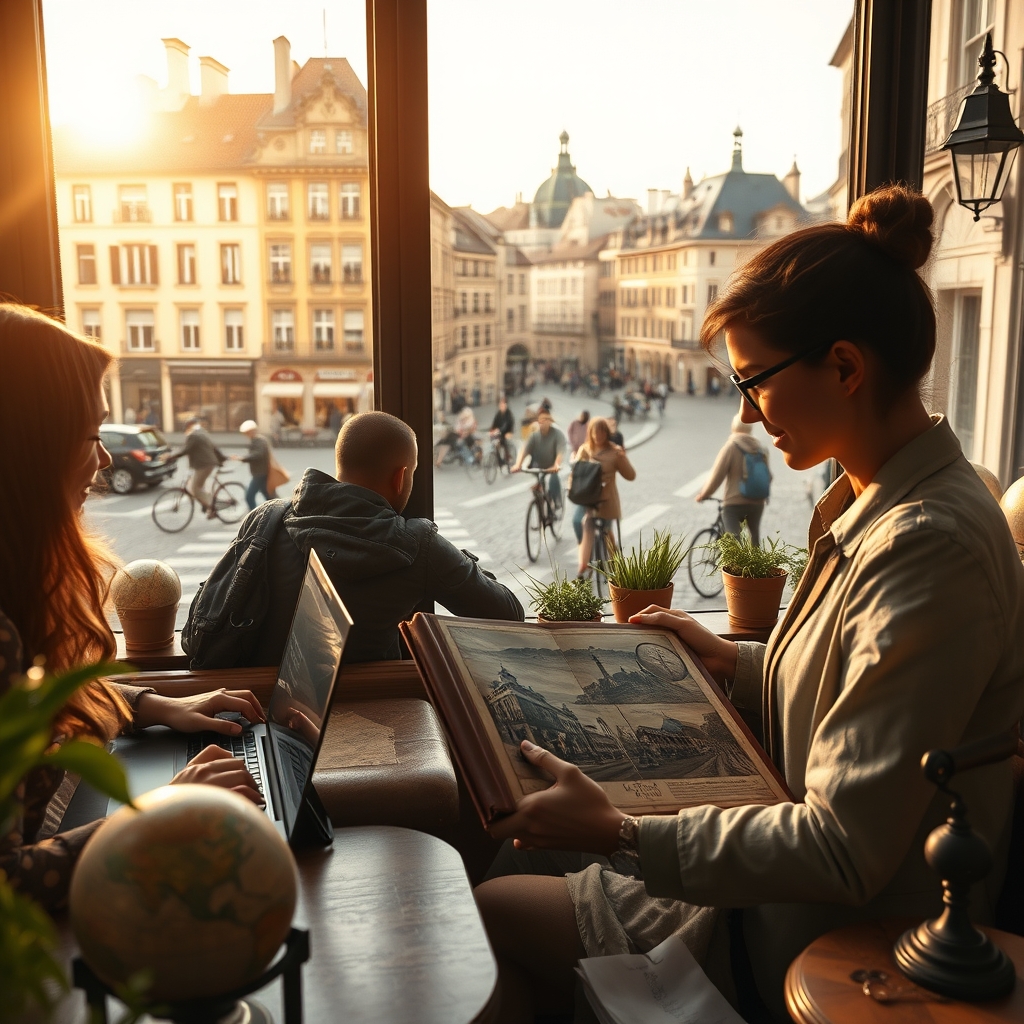
Travel is no longer just about ticking off landmarks or lounging on sun-soaked beaches. The modern explorer seeks something deeper—a connection to place, to history, and to a lifestyle that blends work, adventure, and cultural immersion. Two trends are leading this shift: the rise of digital nomad visas and the growing fascination with heritage lineage journeys. Together, they are redefining what it means to wander the world.
The Digital Nomad Revolution
The concept of working remotely has evolved from a temporary arrangement to a full-fledged lifestyle, thanks to digital nomad visas. Countries from Portugal to Thailand are rolling out specialized visas that allow travelers to live and work abroad for months—or even years—without the bureaucratic hurdles of traditional visas. These programs cater to freelancers, entrepreneurs, and remote employees who want to trade office cubicles for co-working spaces with ocean views or mountain backdrops.
What makes these visas so appealing? Flexibility, for one. Many programs offer tax incentives, streamlined residency processes, and access to local communities of like-minded professionals. Estonia’s Digital Nomad Visa, for example, allows remote workers to stay for up to a year while enjoying the country’s robust digital infrastructure. Meanwhile, Bali’s new visa options have turned the island into a hub for creatives and tech professionals, blending productivity with tropical inspiration.
But it’s not just about the perks. Digital nomad visas are fostering a new kind of global citizenship, where borders become less about restrictions and more about opportunities. Travelers are no longer confined to short-term tourism; they can plant roots, learn languages, and contribute to local economies in meaningful ways. This shift is turning cities like Lisbon, Medellín, and Chiang Mai into thriving ecosystems where work and wanderlust coexist.
Heritage Lineage Journeys: Traveling Through Time
While digital nomadism is about the future of work, heritage lineage journeys are about reconnecting with the past. More travelers are seeking out destinations tied to their ancestry, whether it’s tracing family roots in Ireland, exploring the cultural traditions of their grandparents’ homeland in Japan, or walking the same streets as distant relatives in Italy. These trips are deeply personal, transforming travel into a journey of self-discovery.
Genealogy services and DNA testing have made it easier than ever to uncover family histories, fueling interest in heritage travel. Companies like Ancestry.com and 23andMe provide detailed reports that can pinpoint ancestral origins, while specialized tour operators curate itineraries that include visits to ancestral villages, archives, and local experts who can share stories passed down through generations. For many, these trips are emotional—standing in the church where a great-grandparent was baptized or tasting a dish that’s been in the family for centuries creates a sense of belonging that transcends borders.
Heritage travel isn’t just for those with recent immigrant backgrounds, either. Indigenous travelers are reconnecting with their cultural roots, visiting sacred sites, and participating in ceremonies that have been part of their heritage for millennia. In New Zealand, Māori travelers are engaging in marae (communal meeting grounds) experiences, while Native American tribes in the U.S. are offering cultural tours that share their history and traditions with visitors. These journeys are a powerful reminder that travel can be a bridge between past and present.
Where the Two Trends Collide
What happens when digital nomadism meets heritage travel? A new kind of long-term, immersive experience emerges. Imagine a traveler who secures a digital nomad visa in Italy, not just to work remotely but to spend months exploring the villages their ancestors once called home. They might split their time between a co-working space in Florence and a converted farmhouse in Sicily, learning the language, cooking regional dishes, and forging connections with locals who share their surname.
This blend of modern flexibility and ancestral exploration is creating a travel style that’s both forward-thinking and deeply rooted. It’s no longer about choosing between work and adventure or past and present—it’s about weaving them together into a tapestry of experiences that are uniquely personal. Countries are taking notice, too. Some are beginning to offer hybrid visas that cater to both digital nomads and heritage travelers, recognizing that these two groups share a desire for meaningful, extended stays.
The Practical Side of Personalized Travel
Of course, planning a trip that combines work, heritage, and long-term stays requires some strategy. For digital nomads, researching visa requirements, tax implications, and time zones is essential. Tools like Nomad List and Remote OK provide insights into the best cities for remote work, while platforms like Workfrom offer reviews of co-working spaces worldwide. Budgeting is another key consideration, as costs can vary dramatically between destinations. A month in Bali might be affordable, but a long-term stay in Switzerland could require careful financial planning.
For heritage travelers, preparation often starts at home. Gathering family records, interviewing relatives, and using genealogy websites can uncover clues about ancestral origins. Once abroad, connecting with local historians, archivists, and cultural organizations can provide invaluable context. Some travelers even hire private guides who specialize in heritage tourism, ensuring they don’t miss hidden gems or meaningful sites.
Technology is also playing a role in making these trips more accessible. Augmented reality apps can overlay historical images onto modern landscapes, allowing travelers to see how a city or village has changed over time. Language translation tools break down communication barriers, while social media groups connect heritage travelers with others on similar journeys. These innovations make it easier than ever to dive deep into a destination’s history and culture.
The Future of Travel Is Personal
The days of one-size-fits-all travel are fading. Today’s explorers want experiences that reflect their individual stories, passions, and goals. Digital nomad visas and heritage lineage journeys are just two examples of how travel is becoming more personalized, more immersive, and more meaningful. Whether it’s working from a café in Lisbon or standing in the footsteps of ancestors in Kyoto, the modern traveler is crafting journeys that are as unique as they are.
This shift isn’t just about where we go—it’s about how we connect. It’s about turning destinations into homes, strangers into friends, and fleeting visits into lifelong memories. The world has always been vast, but now, more than ever, it feels within reach in ways that are deeply personal. The next chapter of travel isn’t just about seeing the world; it’s about living it, one story at a time.