Coastal Whispers and Open Roads: Crafting the Ultimate Border-Free Scenic Drive Itinerary
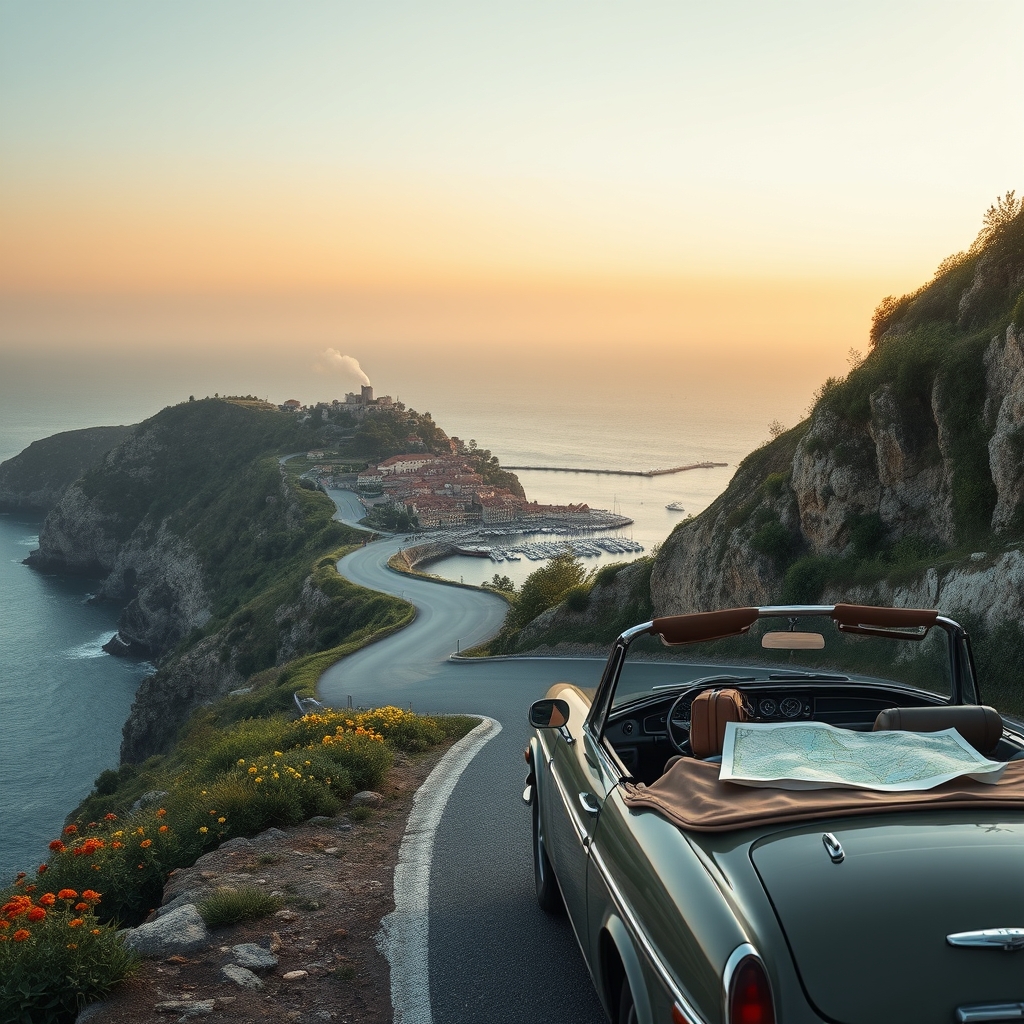
There’s something inherently liberating about the open road—a sense of possibility that unfurls with every mile, especially when the route is less traveled and the destinations are woven together by the rhythm of the sea. Coastal drives offer more than just a way to get from one place to another; they are journeys of discovery, where the landscape shifts from rugged cliffs to golden beaches, and the air carries the salt of the ocean mingled with the scent of local markets and seaside cafés. For those willing to venture beyond the well-trodden paths, border-free corridors along coastlines present an opportunity to explore secondary destinations that are rich in culture, history, and natural beauty, all while avoiding the crowds that flock to viral hotspots.
The Allure of Border-Free Corridors
Border-free corridors are not just about the absence of checkpoints or passport stamps; they represent a seamless flow of culture, cuisine, and landscapes that transcend political boundaries. These routes are often nestled along coastlines where the land meets the sea in a dance of tides and traditions. Think of the Adriatic Coast stretching from Italy into Croatia and Montenegro, or the Pacific Coast Highway that meanders through California and into Baja California in Mexico. These corridors invite travelers to immerse themselves in a tapestry of experiences that are as diverse as they are interconnected.
One of the most compelling aspects of these routes is the ability to craft a multi-destination itinerary that feels organic rather than forced. Without the hassle of border crossings, travelers can focus on the journey itself—stopping at hidden coves, exploring fishing villages that time seems to have forgotten, or indulging in regional delicacies that vary subtly from one town to the next. The freedom to wander without constraints is what makes these drives so magical.
Mapping the Perfect Coastal Drive Itinerary
Creating the ultimate coastal drive itinerary begins with selecting a corridor that resonates with your travel style. Are you drawn to the dramatic cliffs of the Amalfi Coast, or do the wild, windswept beaches of the Oregon Coast call to you? Once you’ve chosen your route, the next step is to identify the secondary destinations that will serve as your anchors. These are the places that offer a glimpse into the local way of life without the tourist traps that often accompany more famous stops.
Choosing Your Anchors
For example, if you’re driving along the Dalmatian Coast, consider skipping the bustling streets of Dubrovnik in favor of the quieter charm of Šibenik or the medieval fortress of Trogir. These towns offer the same stunning architecture and Adriatic views but with a fraction of the crowds. Similarly, along the Atlantic Coast of France, the Basque Country’s Saint-Jean-de-Luz provides a more intimate alternative to the glitz of Biarritz, with its colorful fishing boats and fresh seafood markets.
When planning your stops, think about the experiences that will make your journey memorable. Seek out local festivals that celebrate everything from seafood to traditional music, or time your visit to coincide with the harvest season at a countryside eco-farm. These moments of cultural immersion add depth to your itinerary and create stories that will stay with you long after the trip is over.
The Art of the Scenic Detour
One of the joys of a coastal drive is the freedom to take detours—those unplanned stops that often turn out to be the highlights of the trip. Perhaps it’s a roadside stand selling freshly caught oysters, or a hidden trail leading to a secluded beach. These detours are where the magic happens, where you stumble upon a non-viral hotspot that feels like it was meant just for you. To make the most of these moments, leave room in your itinerary for spontaneity. A rigid schedule can rob you of the serendipity that makes travel so rewarding.
Beyond the Drive: Multi-Destination Passes and Local Transport
While the road may be the star of the show, don’t overlook the opportunities to explore beyond the driver’s seat. Many coastal regions offer multi-destination passes that grant access to local attractions, ferries, or even short-haul flights to nearby islands. These passes can be a cost-effective way to add variety to your itinerary, allowing you to hop on a ferry to a nearby island for a day of hiking or take a scenic bus route through a mountain corridor that offers breathtaking views of the coastline below.
For instance, in the Greek Islands, a combination of ferries and short flights can take you from the historic streets of Crete to the volcanic landscapes of Santorini and the quiet beaches of Milos, all without the need for a car. Similarly, in Southeast Asia, the mix of coastal drives and overnight train journeys can create a dynamic itinerary that spans multiple countries, from the limestone karsts of Vietnam’s Halong Bay to the pristine beaches of Thailand’s Andaman Coast.
Embracing Slow Travel
One of the greatest gifts of a coastal drive itinerary is the opportunity to embrace slow travel. Unlike the whirlwind pace of a multi-city weekend getaway, a road trip along the coast encourages you to linger, to savor the moments between destinations. This could mean spending an afternoon at a local winery, joining a fishing boat for a morning catch, or simply sitting at a café watching the world go by. Slow travel allows you to connect with a place on a deeper level, to understand its rhythms and nuances in a way that’s impossible when you’re rushing from one attraction to the next.
It’s also a chance to support the communities you visit in a meaningful way. By staying at family-run guesthouses, dining at local eateries, and shopping at markets, you’re contributing to the local economy in a way that benefits the people who call these places home. This kind of travel fosters a sense of responsibility and respect for the destinations you explore, ensuring that they remain vibrant and authentic for future visitors.
As the sun dips below the horizon and the road stretches out before you, there’s a quiet satisfaction in knowing that the journey itself is the destination. The memories you create along the way—the taste of fresh seafood at a roadside shack, the sound of waves crashing against the cliffs, the warmth of a stranger’s smile in a small coastal town—are the threads that weave together the tapestry of your travels. And when you finally pull into your last stop of the day, you’ll realize that the open road has given you something far greater than a collection of photographs or souvenirs. It has given you a story, one that is uniquely yours and waiting to be told.